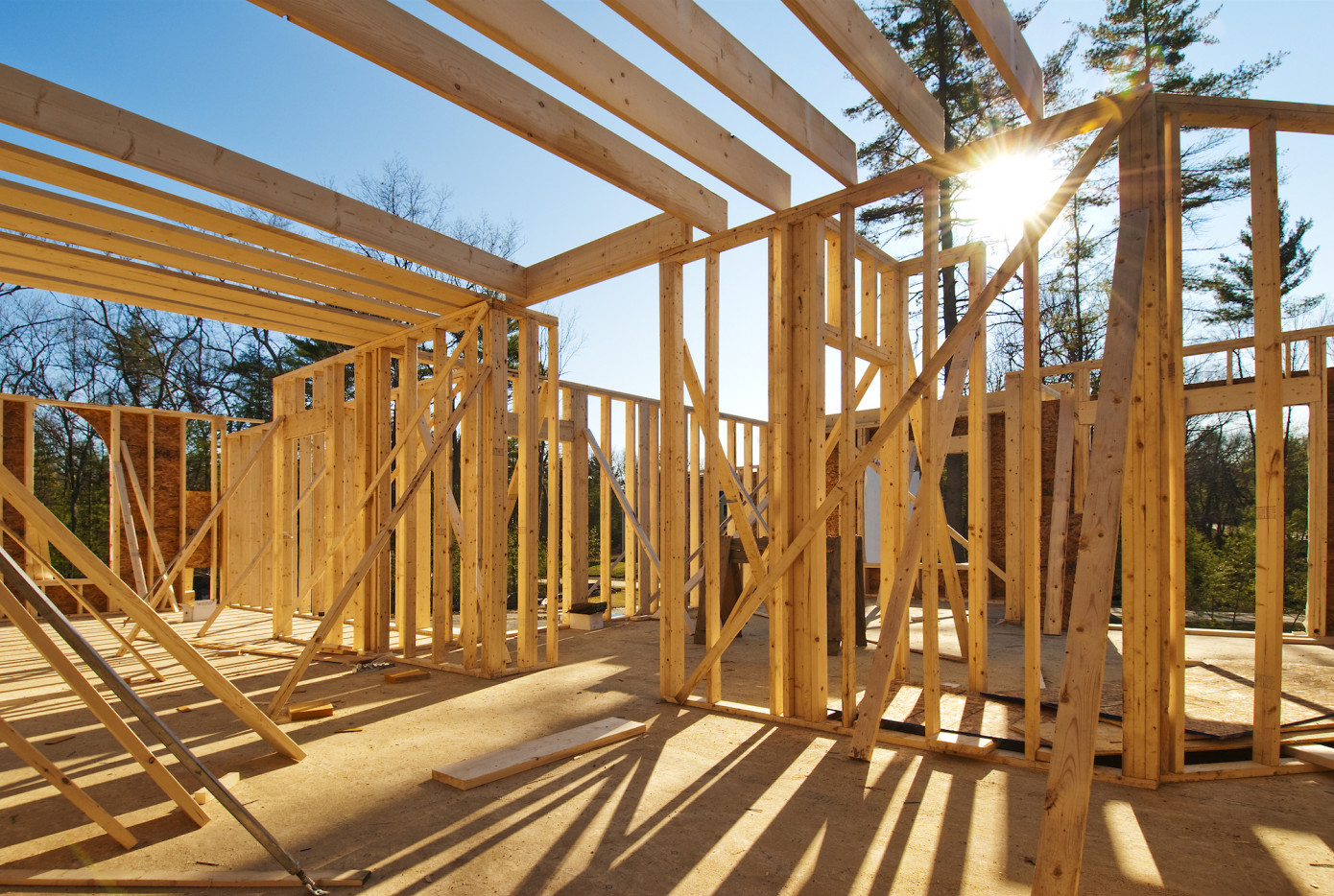
The Irish government will examine seven strategic recommendations intended to increase the use of timber in construction across Ireland, covering regulation, procurement, innovation, training and adoption in the built environment, according to the Department of Agriculture, Food and the Marine.
The report groups the recommendations under three interconnected pillars: Regulation and Standards; Procurement and Carbon Policy; and Innovation, Training and Adoption. It references implementation deadlines and names lead departments for the recommendations to coordinate potential adoption across relevant ministries and agencies.
The Timber in Construction Steering Group was established in November 2023 and worked for a two-year term. The steering group and five thematic groups brought together members from 64 institutions and organisations, including a ministerially appointed steering group of 16 members and an independent chair. The group met 15 times, with the Department of Agriculture, Food and the Marine providing the secretariat and stakeholders contributing technical and policy work.
The report noted Ireland’s forests covered 11.6% of the land area and that softwood species accounted for almost 70% of the stocked area. It set out a forecast that roundwood supply would increase from 5 million m3 now to almost 7.8 million m3 by 2035. The publication also recalled historic investment levels, stating that over Euro 3 billion had been invested in establishing the forest resource since the 1980s and that more than Euro 1.3 billion was committed to the Forestry Programme for 2023–2027. Ireland’s Forest Strategy envisaged Irish-grown timber as the primary material for new homes by 2050 and the report highlighted Modern Methods of Construction and longer-life timber products as pathways to a lower-carbon built environment.
Relevant government departments and agencies will now examine the report’s recommendations and put in place measures to determine their potential adoption.