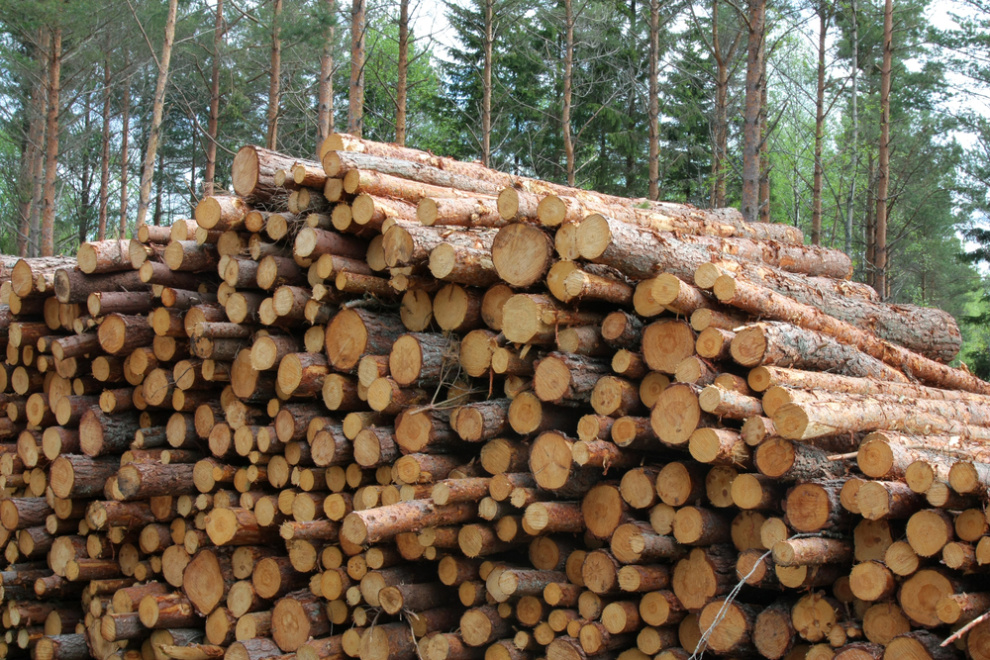
Pulpwood harvest grows 8% while sawlog volumes fall 1% over nine-month period.
Pulpwood harvest grows 8% while sawlog volumes fall 1% over nine-month period.

Pulp and timber earnings decline amid weak demand, while AI investment and Baltic forest sale support long-term strategy.

Companies report $930 million drop in product exports from 2022 to 2024.
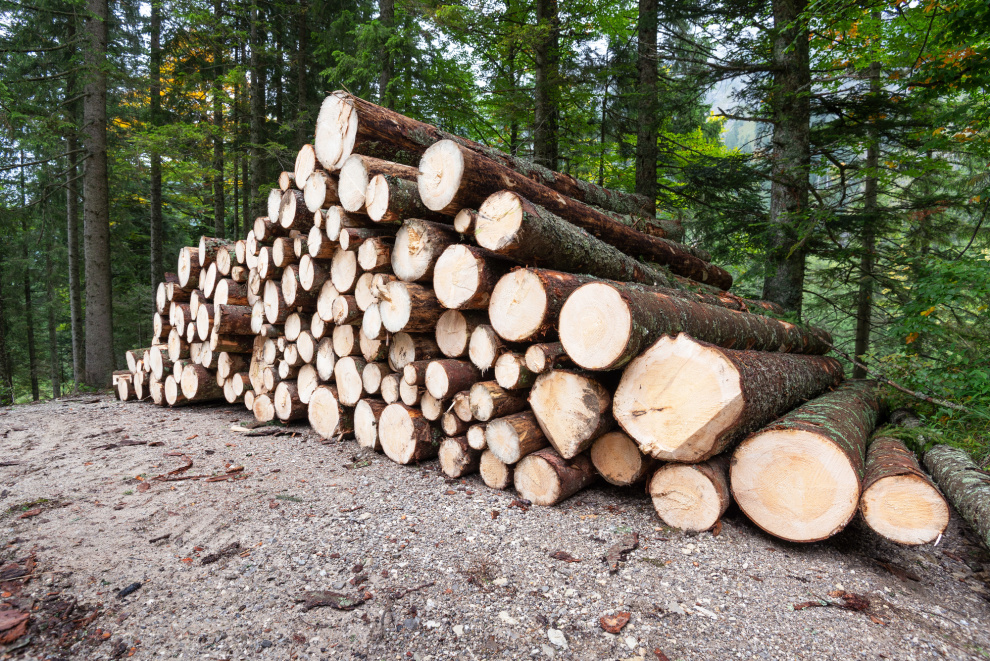
Sawmills extend contracts early through January 2026 amid tight supply and coordinated forest sales

Housing projected to reach 206.1 billion kronor in 2026 while commercial buildings grow by just 1%.
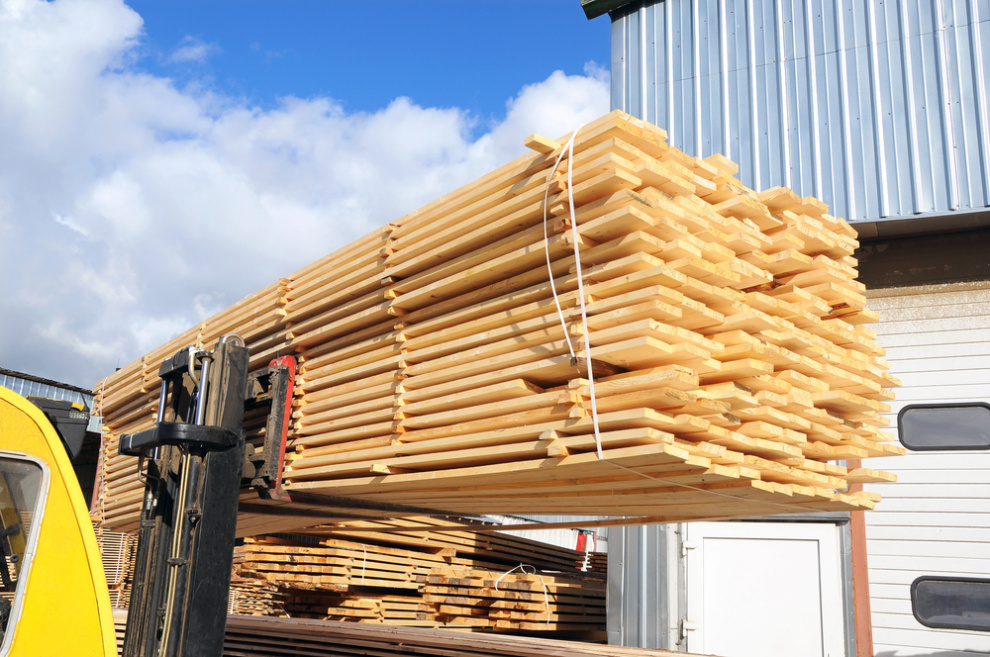
Lumber segment loses $123 million, with $67 million tied to U.S. duties.

Canada’s forest sector calls for simplified EUDR rules reflecting negligible-risk countries.

House passed companion bill in January; Senate committee version expands thinning and limits legal delays.

Plywood, decking, and door frames reach Netherlands, Belgium, and Germany from natural forests in Borneo.

Order value declines to $3.6 billion as unit backlog shrinks by 18% from prior year.
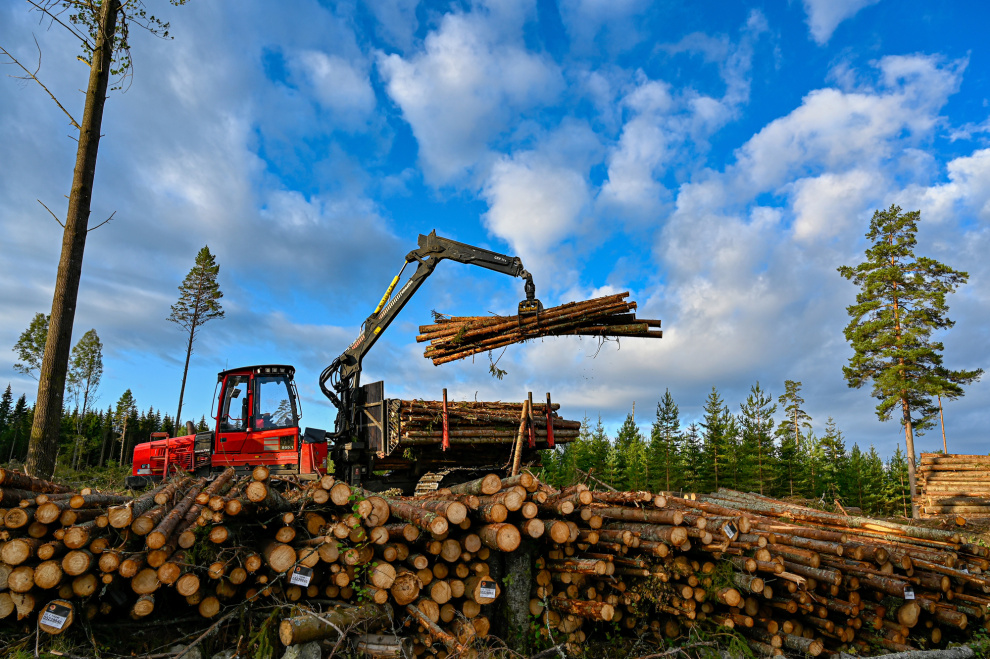
January–September sales volume remains 10% below 2024, despite exceeding five-year average by 1%.
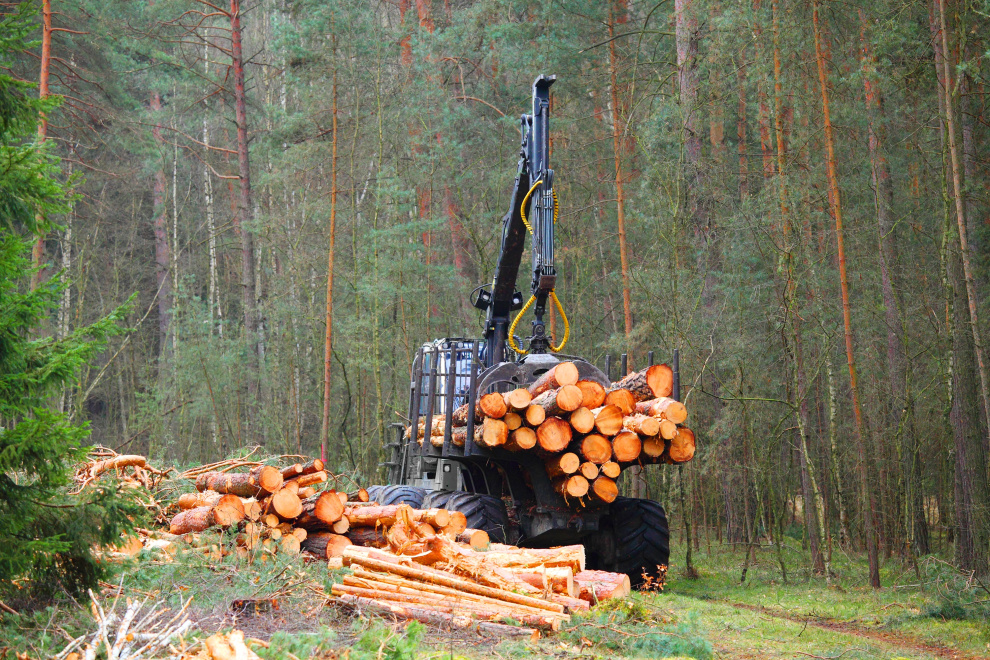
Urban and urbanizing counties hold 69% of remaining mill capacity across Oregon, Washington, and northern California.

Raute cites that although project deliveries have continued successfully, a larger share of the order backlog is now expected to be recognized as net sales in 2026 rather than in the current year.

Trade tensions, inflation, and weakened policy institutions drive global downgrade as AI investment supports U.S. outlook.

High costs, weak demand, and falling production push sawmills and pulp mills into survival mode.
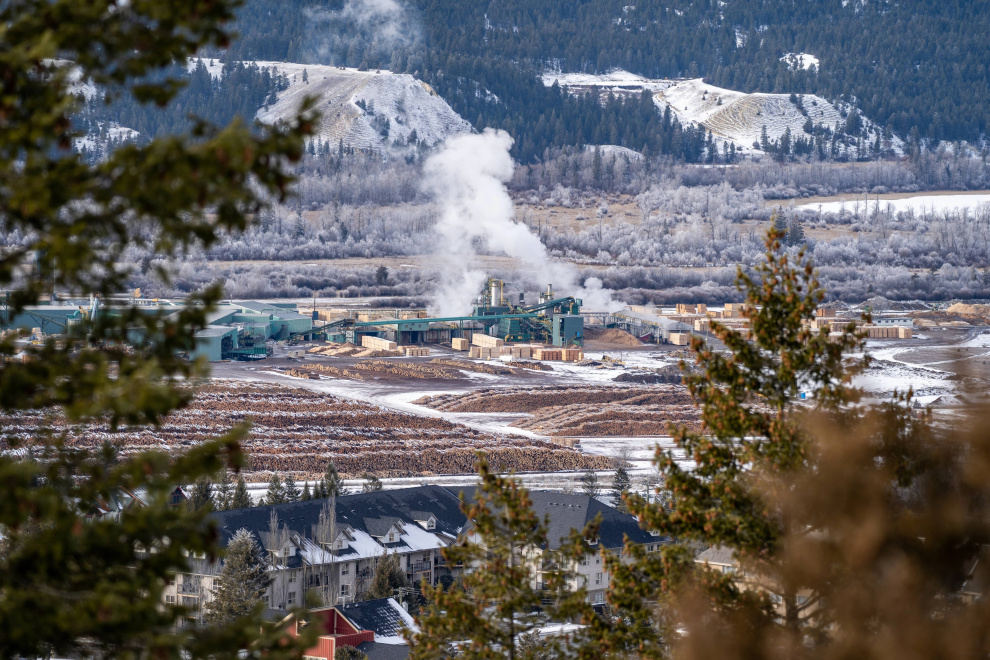
Premier says duties will raise U.S. consumer prices while targeting B.C. forestry families.

German furniture exports to the US reach Euro 250 million, making it the industry's 10th-largest market.

Council says Section 232 duty of 10% lifts Canadian import taxes to over 45%.