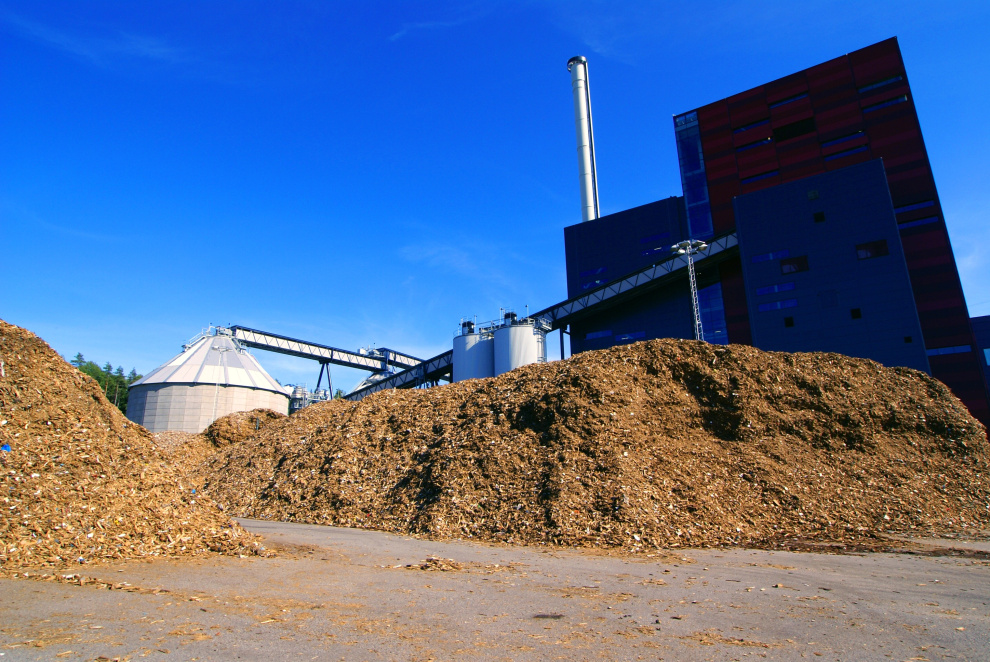
Tokyo targets 6% of power from biomass, yet high fuel prices, policy uncertainty, and competition challenge new projects.
Tokyo targets 6% of power from biomass, yet high fuel prices, policy uncertainty, and competition challenge new projects.
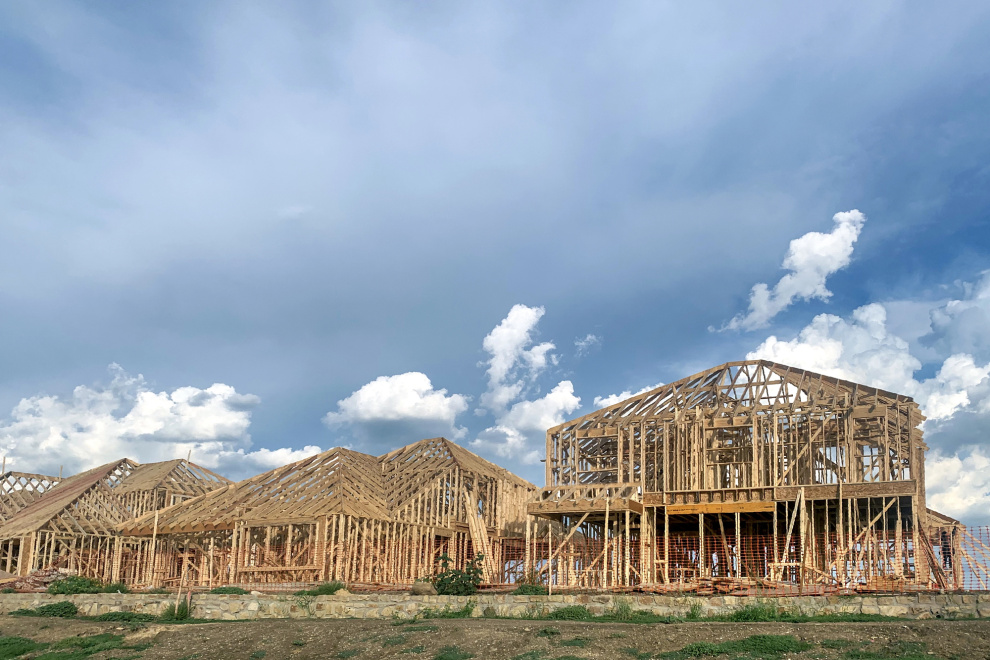
Homebuilder reports 5% revenue decline and narrower margins as affordability improves but confidence lags.
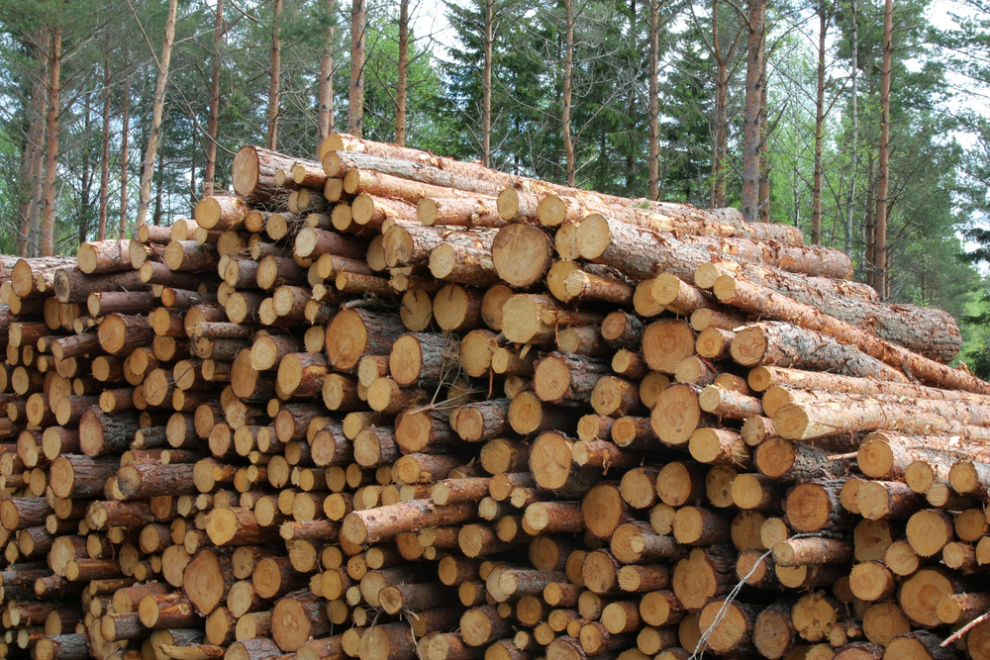
Average stumpage price reaches 16 euros per cubic metre, while delivery sales average nearly 40 euros.

Exports to the United States fall to the lowest level since 2017 due to new tariffs.
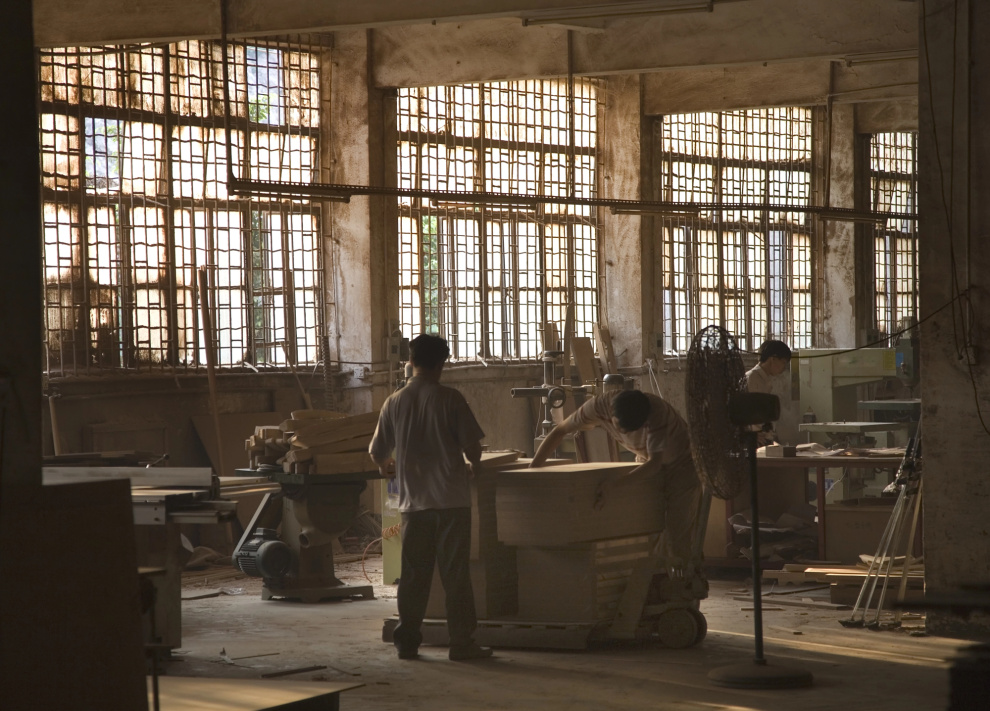
Paper sector profits declined 13.6% and timber processing dropped 38.3%, while overall manufacturing rose 5%.
Export volume totals 12.99 million m3 as value decreases 2% and average price falls 8%.
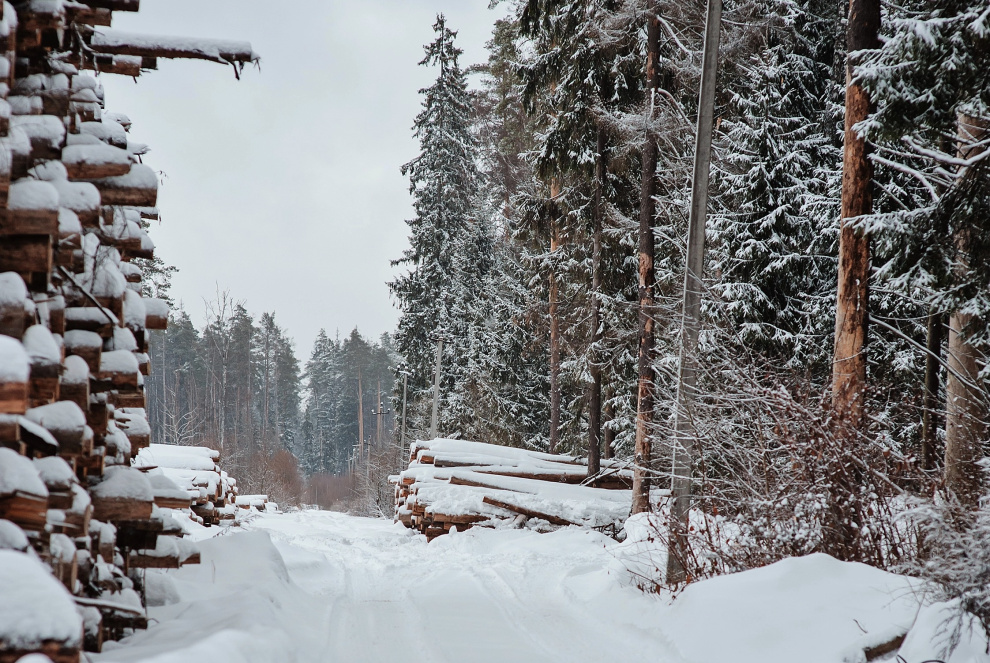
Harvests from private forests amount to 47.6 million m3, representing 79% of total volume.

A new analysis shows losses from EU Emissions Trading System changes and higher rail and shipping charges, threatening jobs and exports.
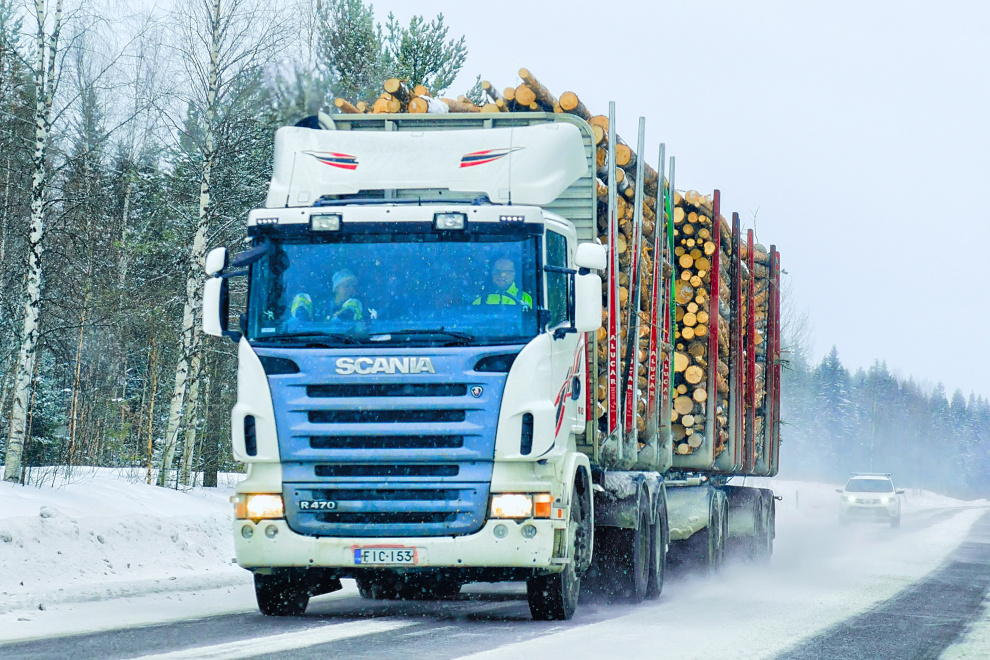
Total 2025 purchase volume is 19% below 2024 level as stumpage and delivery prices for all timber types continue to decline.
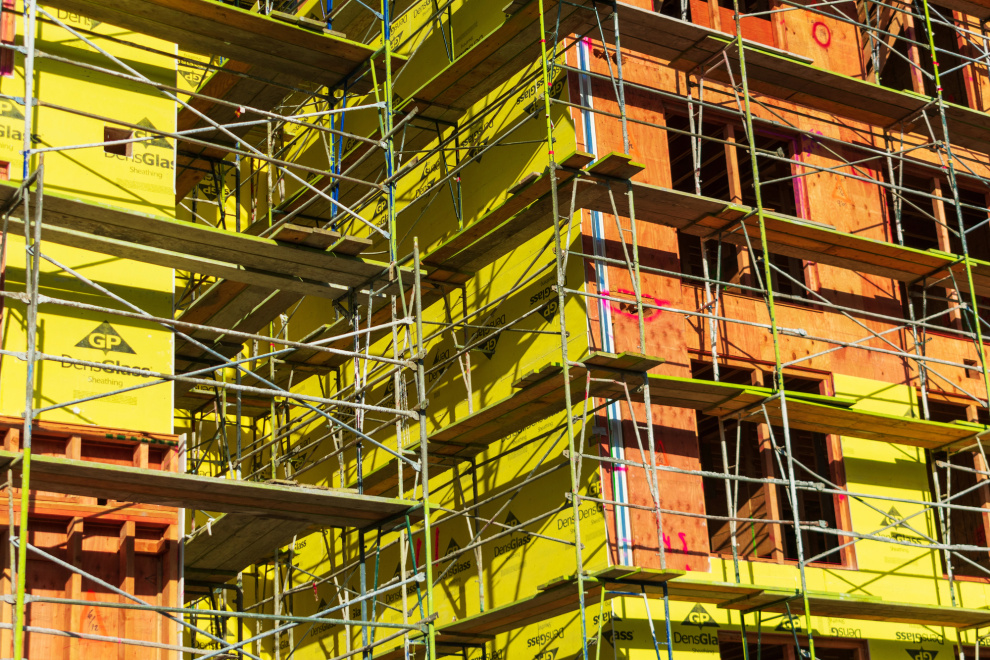
Private nonresidential spending falls 0.2%, while public spending rises 0.1%.

Export volume reaches 2.45 million m3 as average price declines 5%, affected by U.S. tariffs and EU anti-dumping duties.
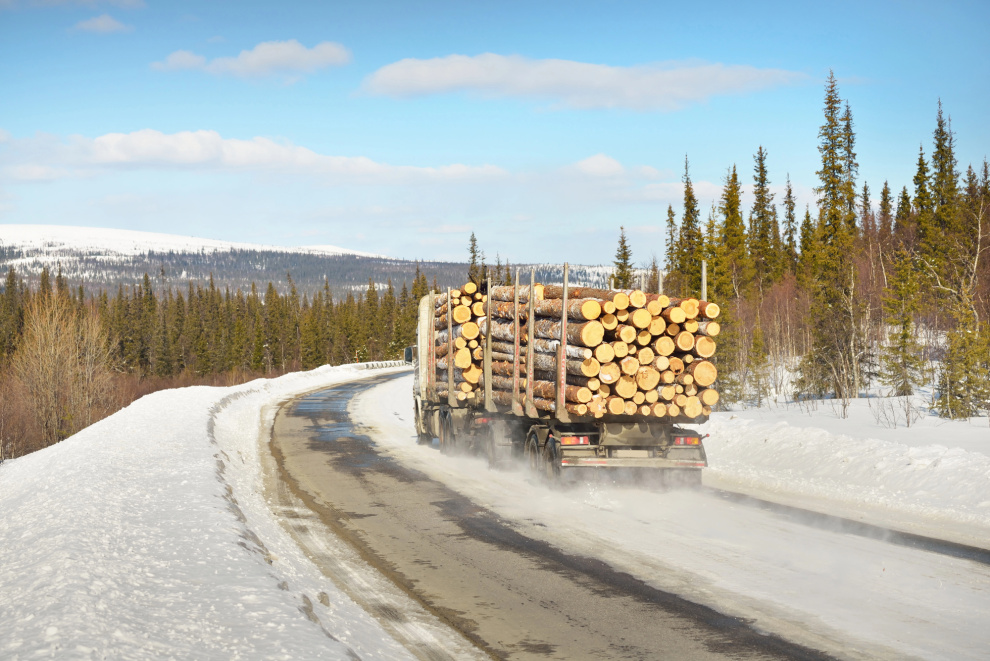
Firms cite sanctions, weak exports, and lack of equipment and investment.
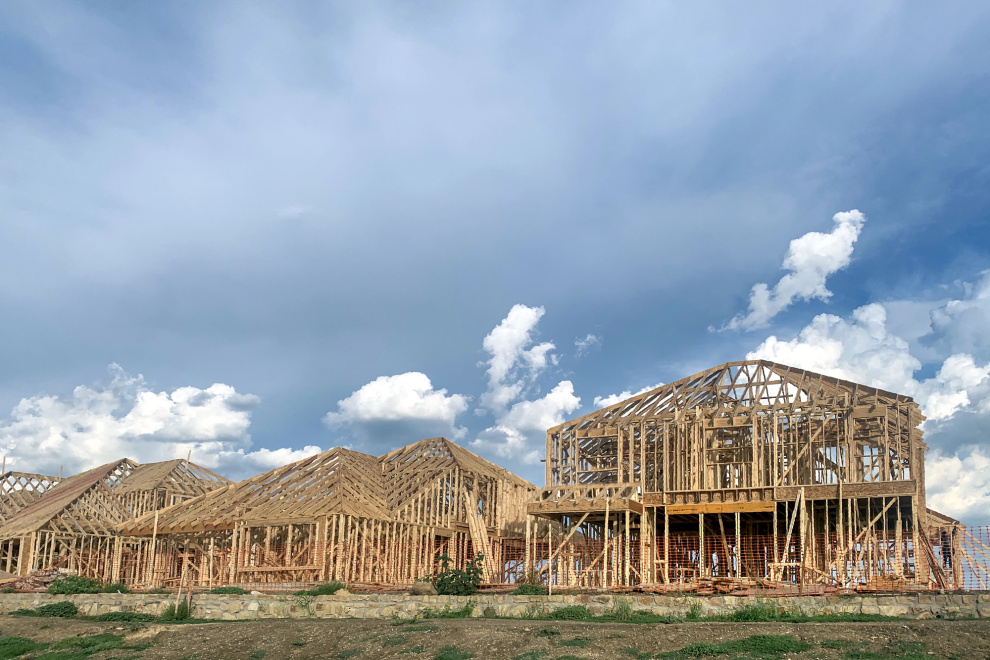
Net sales orders rise 3% despite affordability pressures; company maintains full-year guidance up to $35 billion in revenue.

Average price reaches 665.7 kronor per m3sk, with Dalarna county showing the strongest annual increase of 7.5%.
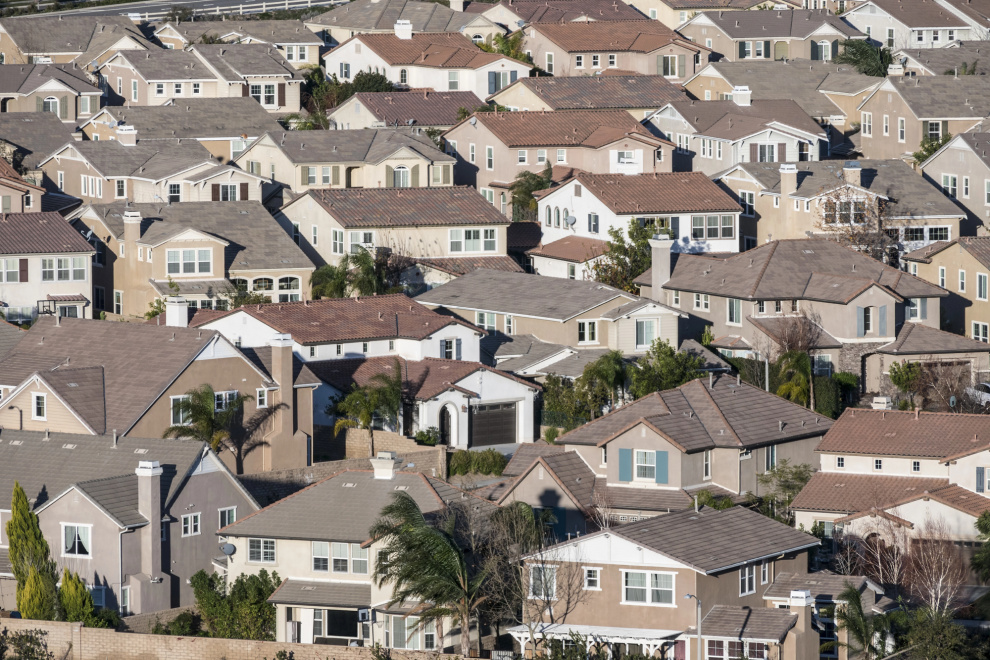
Inventory falls 18.1% from November to 1.18 million units, while median price rises 0.4% to $405,400.
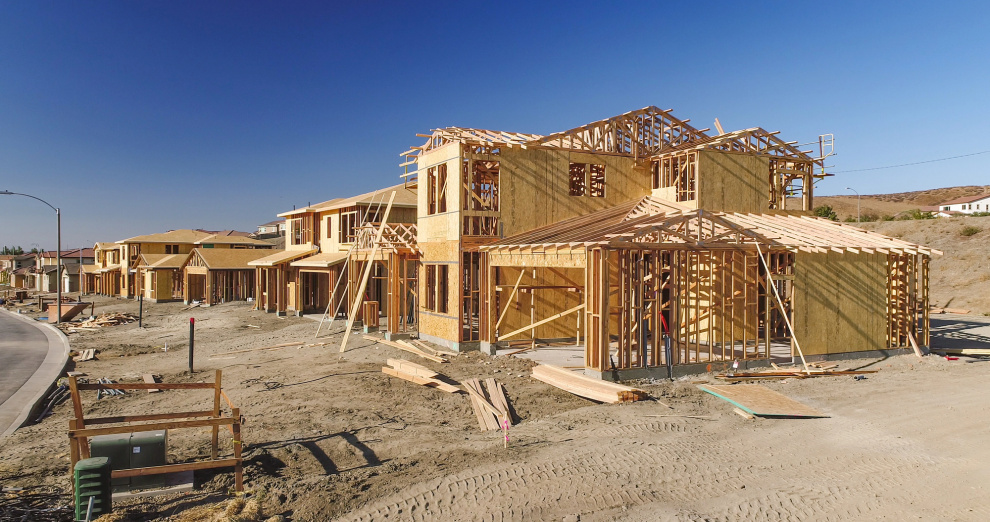
Backlog for contractors over $100 million in annual revenue reaches highest level since 2021, while small firms record their lowest since 2021.
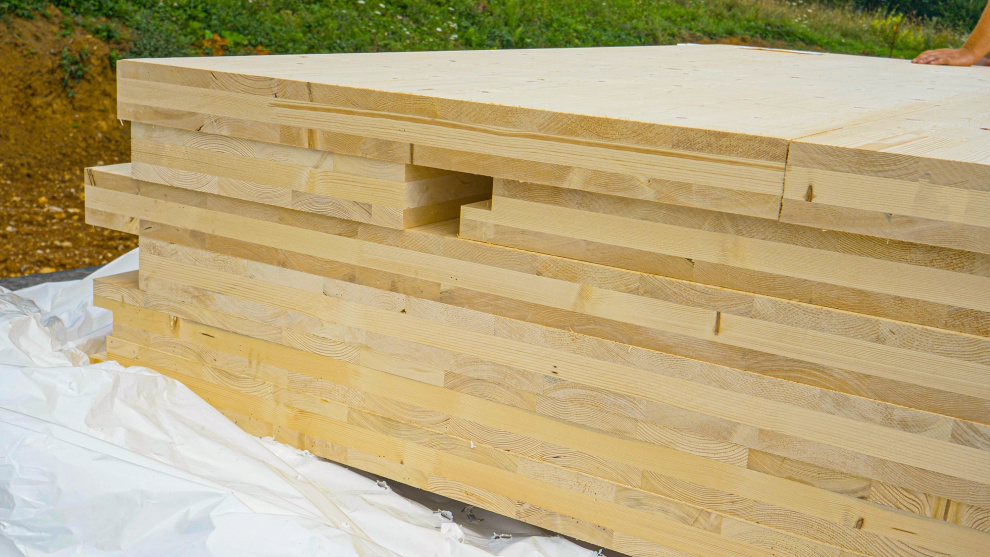
Industry study finds hardwood cross-laminated timber up to three times stronger than pine but faces barriers in cost, grading, and infrastructure.
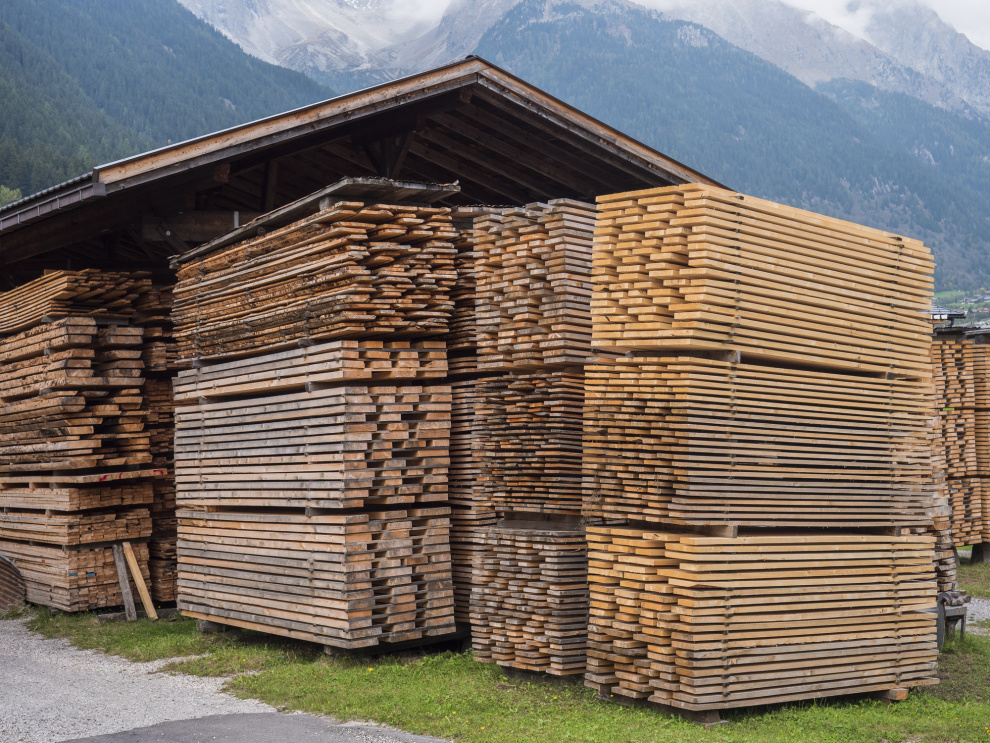
The company attributes the write-down to prolonged weak U.S. lumber market conditions and projects stable 2026 input costs with capital spending of $300 to $350 million.
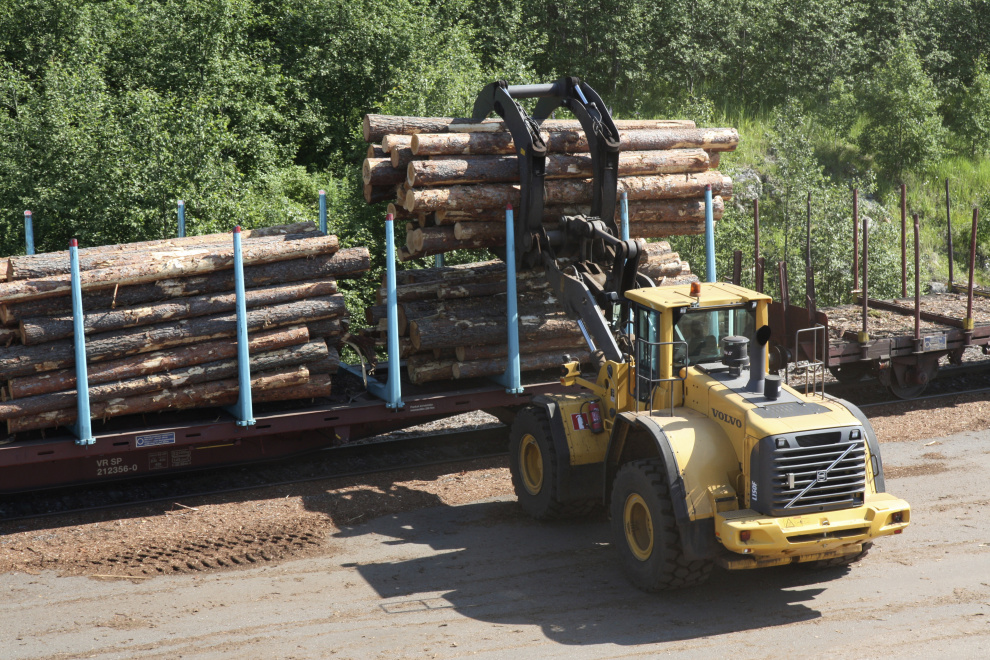
Agreement enters into force on December 31, 2025 after regulatory approvals and includes reciprocal wood supply and ownership changes.
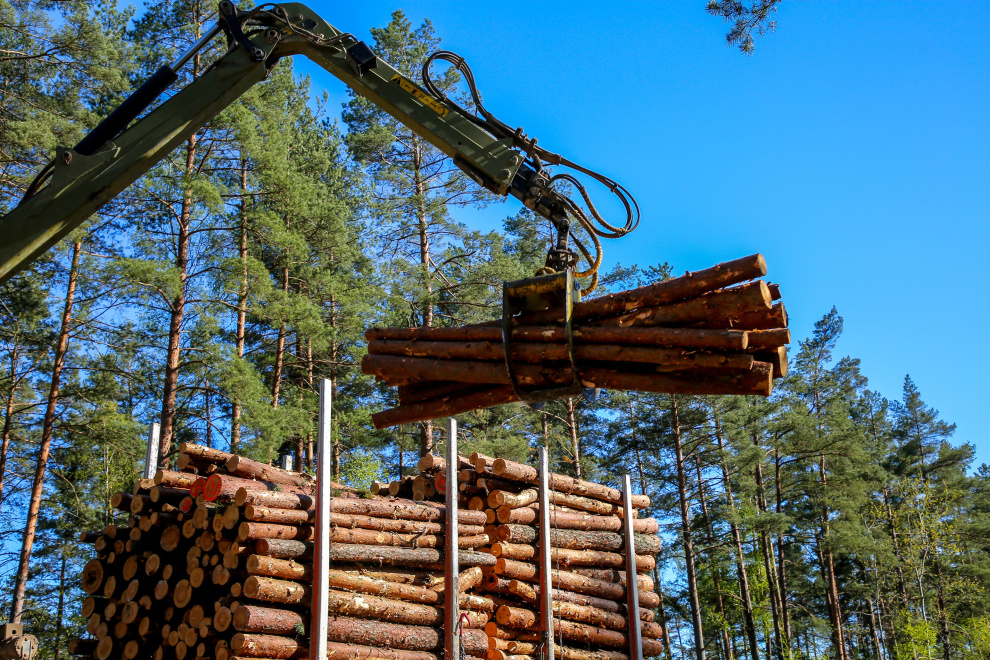
North American mills face tariffs and closures, Europe postpones new deforestation rules, and Russia’s forest sector enters a structural crisis.