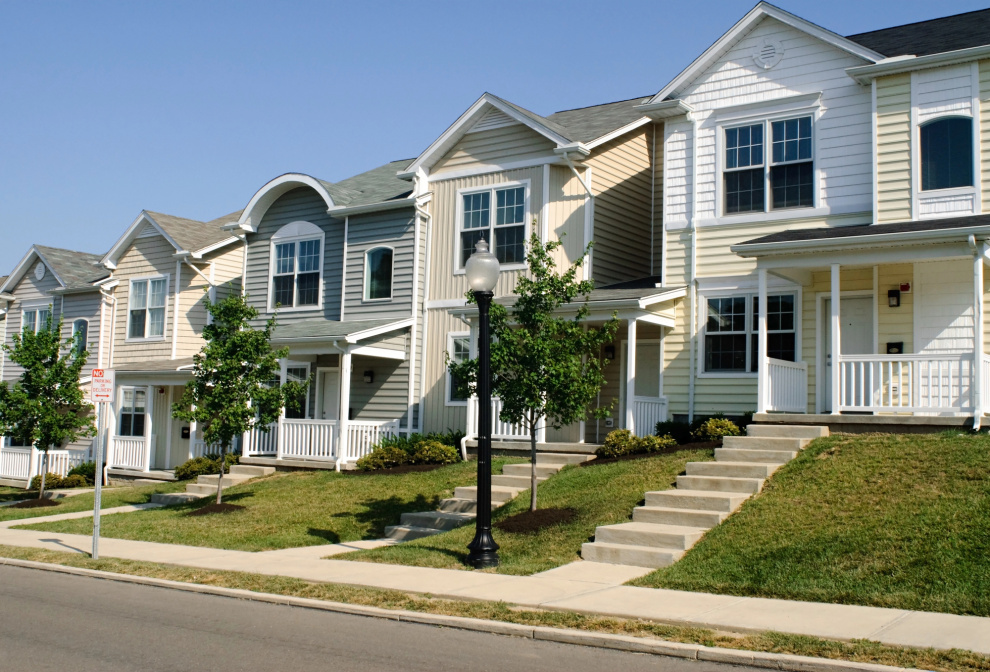
The 10-city composite rises 1.93% and the 20-city composite rises 1.38%, while Detroit has no December reading because of Wayne County recording delays.
The 10-city composite rises 1.93% and the 20-city composite rises 1.38%, while Detroit has no December reading because of Wayne County recording delays.

Pine and spruce each account for more than 2.1 million m3 across logs and pulpwood.
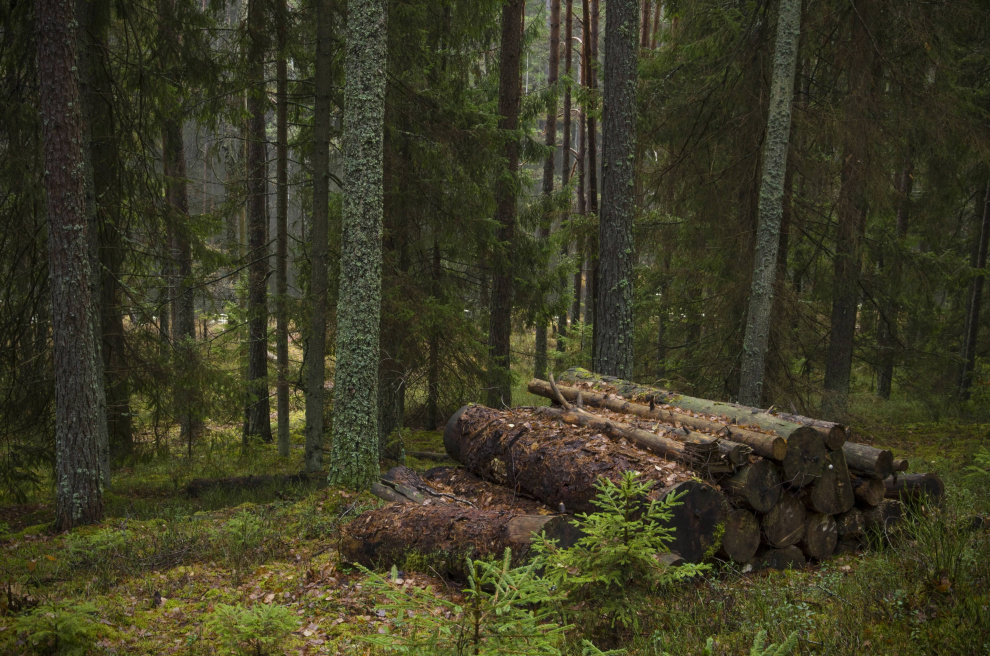
A newly implemented national modeling framework changes the reported aboveground carbon total for standing dead trees across the lower 48 states.
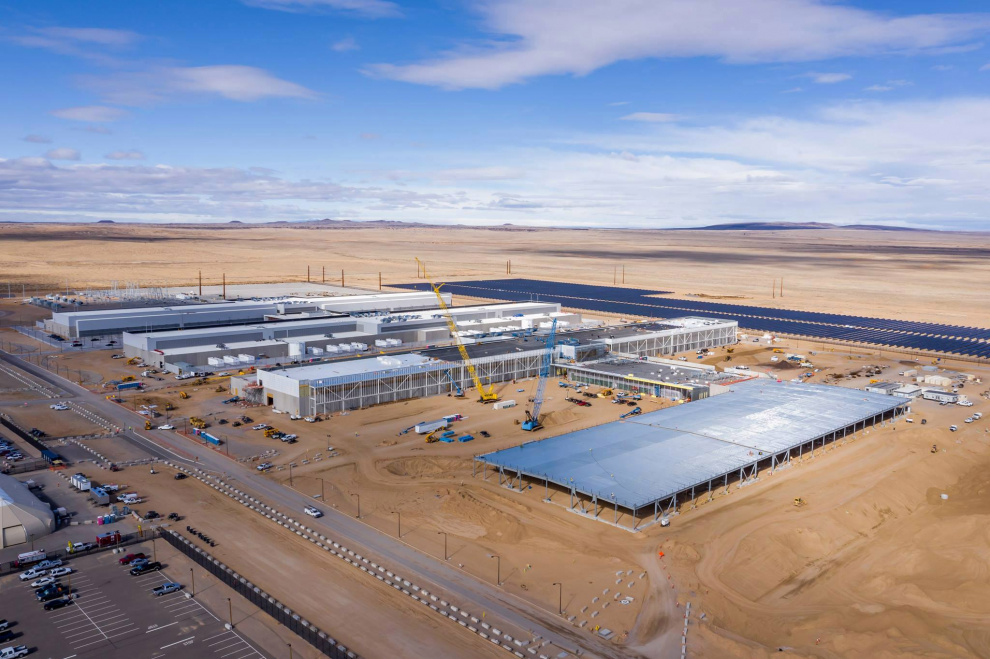
Amazon agreed to pay $700 million for a Prince William County site as the region’s housing shortfall topped 75,000 homes.
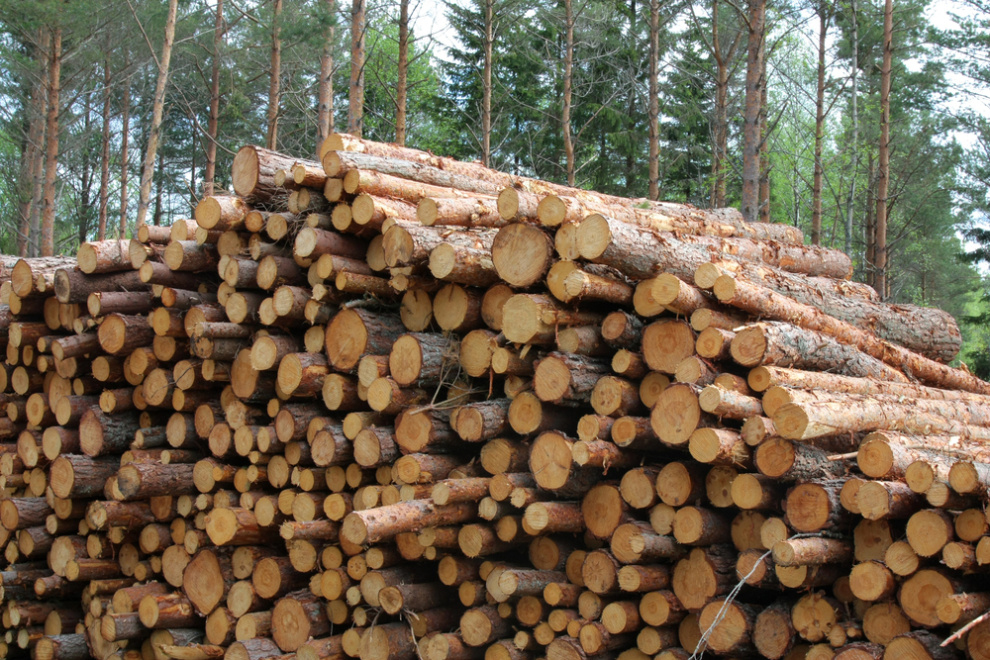
Standing-sale stumpage prices for pine, spruce and birch sawlogs slip 1% month over month, while pine pulpwood drops 10%.
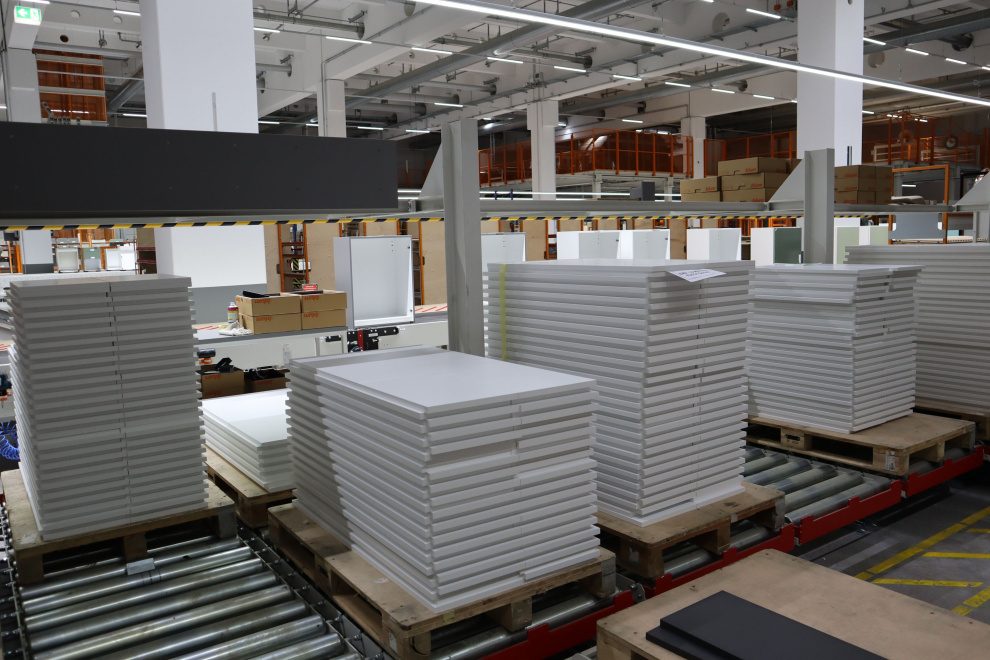
The industry cites U.S. import tariffs as a factor behind weaker U.S. exports and higher import pressure in Germany.
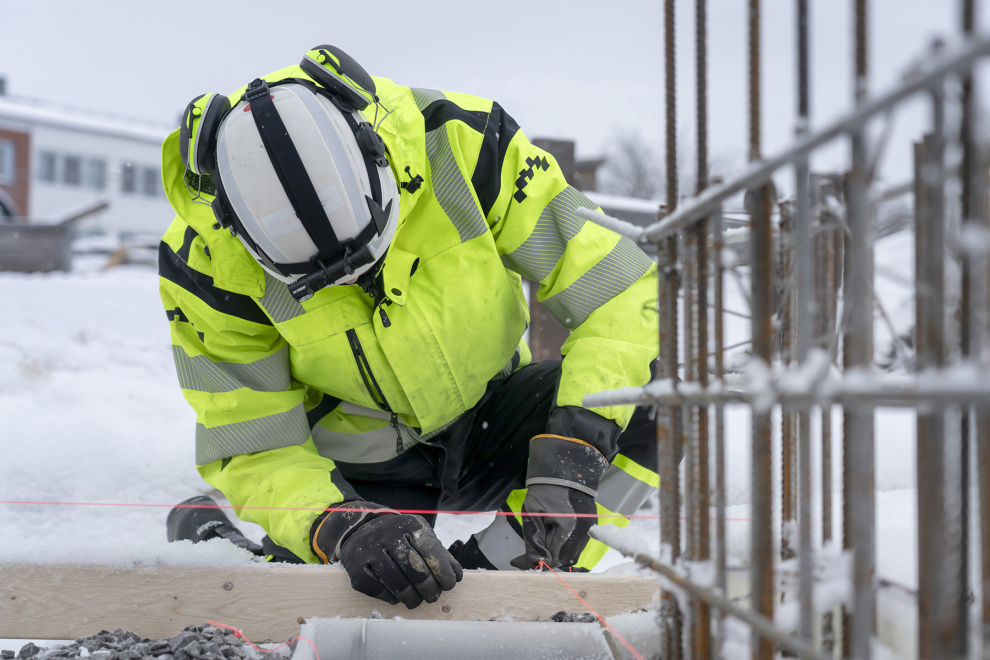
Open unemployment among construction workers rises to nearly 16,200, while 175 construction firms file for bankruptcy.
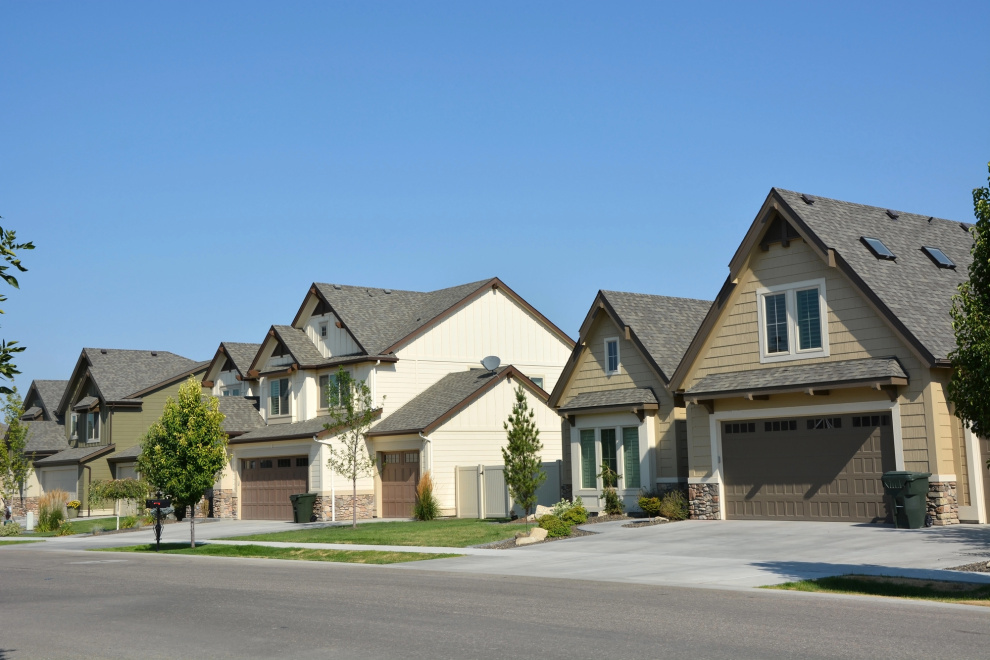
At a median home price of $413,595 and a 30-year mortgage rate of 6%, 88.2 million households are priced out, and a $1,000 increase prices out 156,405 more.
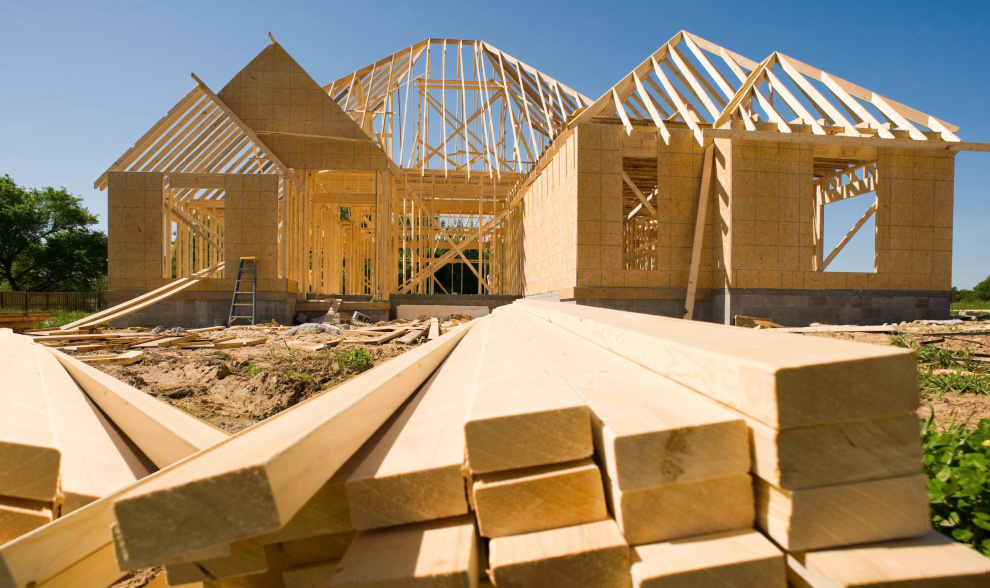
The comparison uses a 1950=100 index, while economy-wide labor productivity more than doubles over the same period.
Weak lumber markets and higher U.S. trade costs pressure results, and the company expects early 2026 prices to fluctuate with winter weather and industry-wide lumber production curtailments.
Inventory totals 1.22 million units, while the median price rises to $396,800.
Weaker demand, adverse currency moves and higher raw material costs outweigh record pulp output and cost reductions.
Company says stronger Real Estate results offset weak timber markets, with Southern pulpwood pricing down and Pacific Northwest harvest volumes lower year over year.
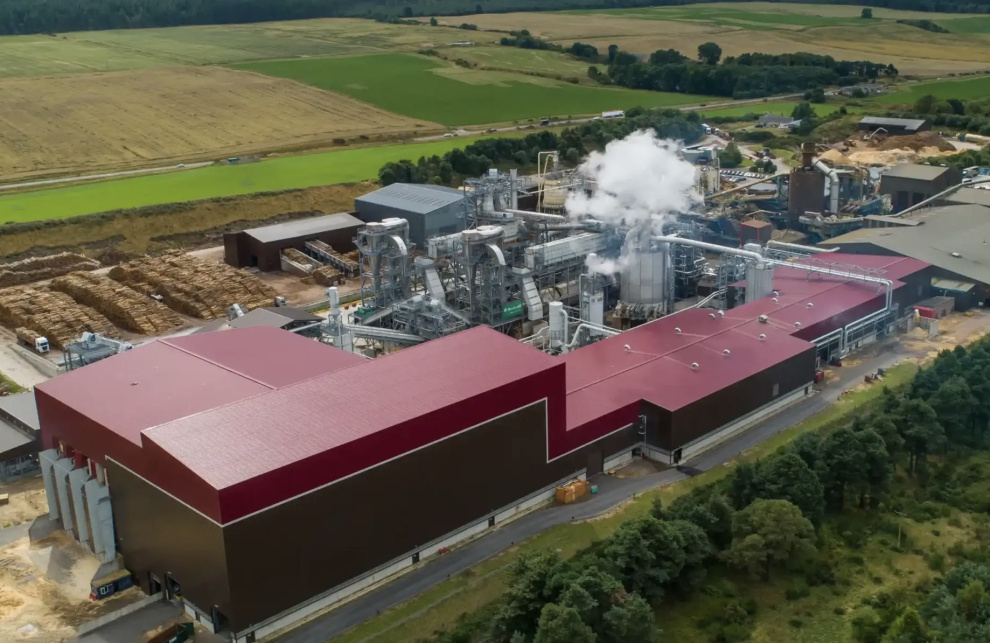
West Fraser says lumber duties, OSB and southern yellow pine oversupply, and housing affordability constraints keep wood building products markets pressured. It expects another year of modest demand in 2026 and reiterates lumber and OSB shipment targets.
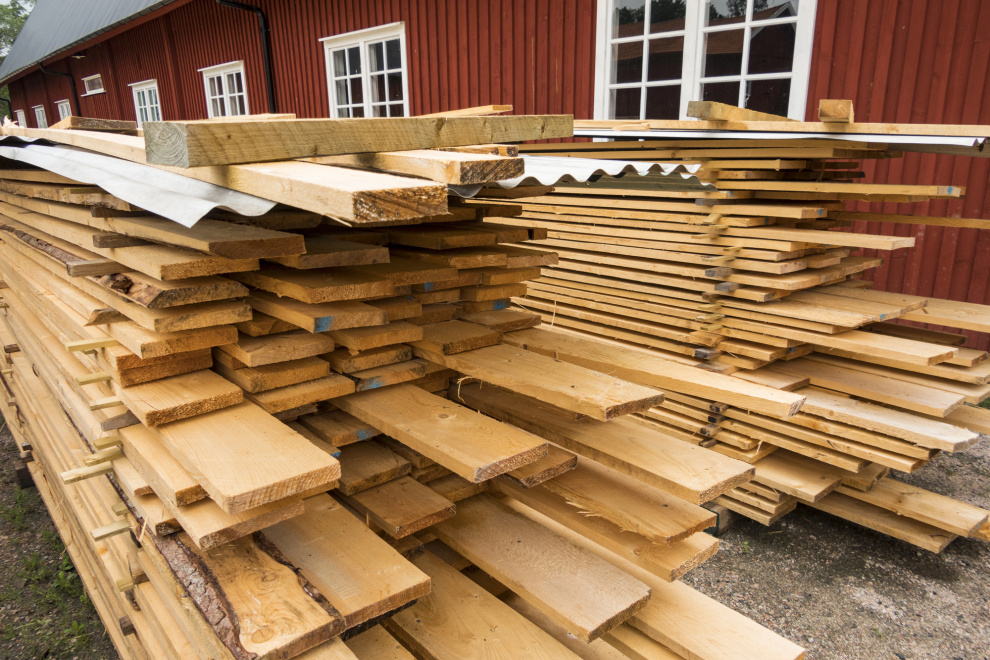
Spruce shortages and higher pine output reshape supply, while expected rate cuts could lift 2026 building demand.
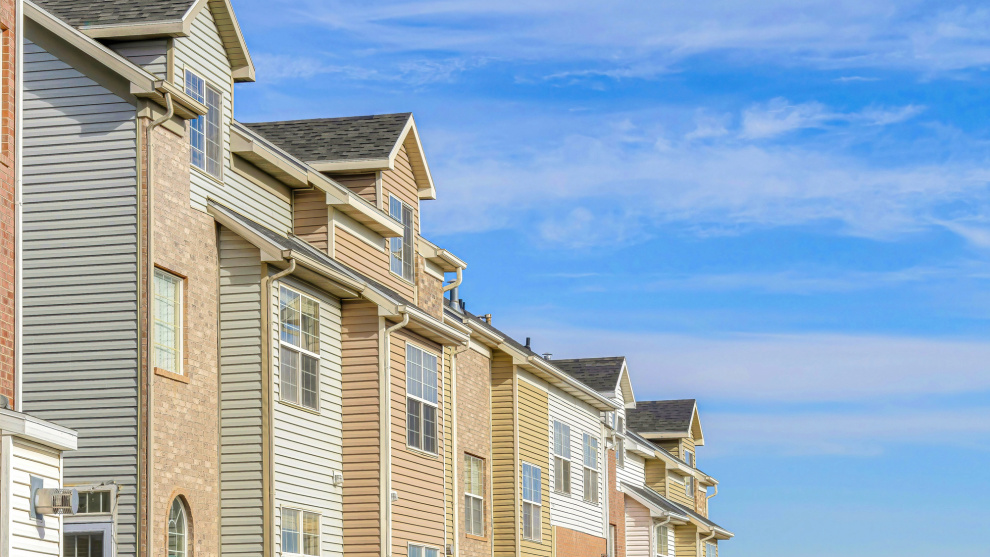
Rental vacancies improve slightly in 2024, but owner vacancy rates remain below 1% nationwide.

Pulp deliveries rise 4% while paper deliveries decline and electricity output edges lower.
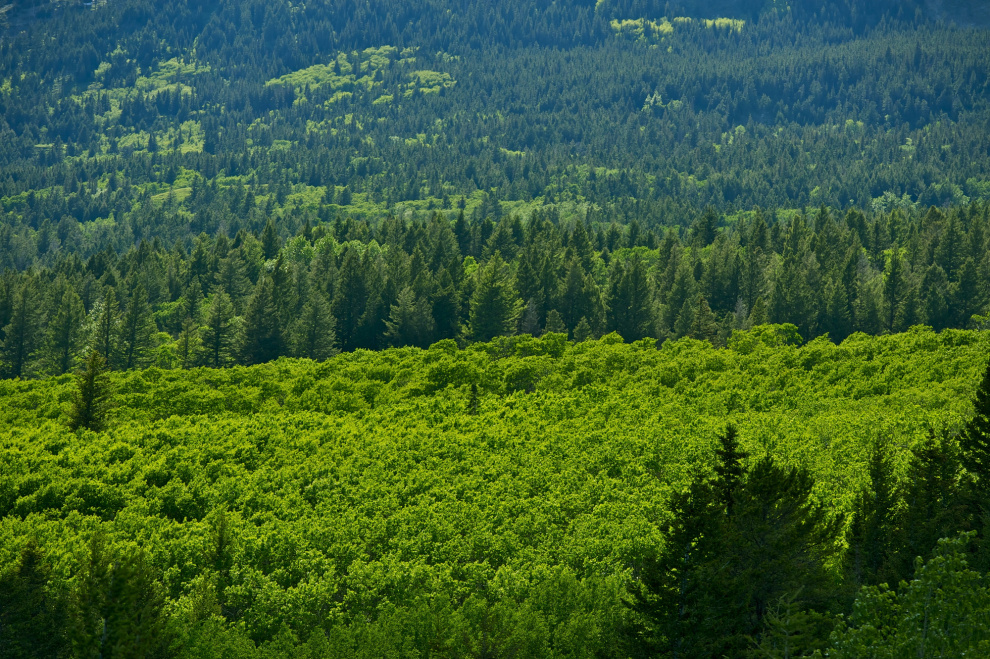
Maine, Michigan, Louisiana, Washington, and Oregon hold the largest foreign-owned forest areas, led by Canadian and European investors.

Renewable energy development and technology infrastructure are expected to expand non-timber revenue opportunities for timberland owners in 2026.
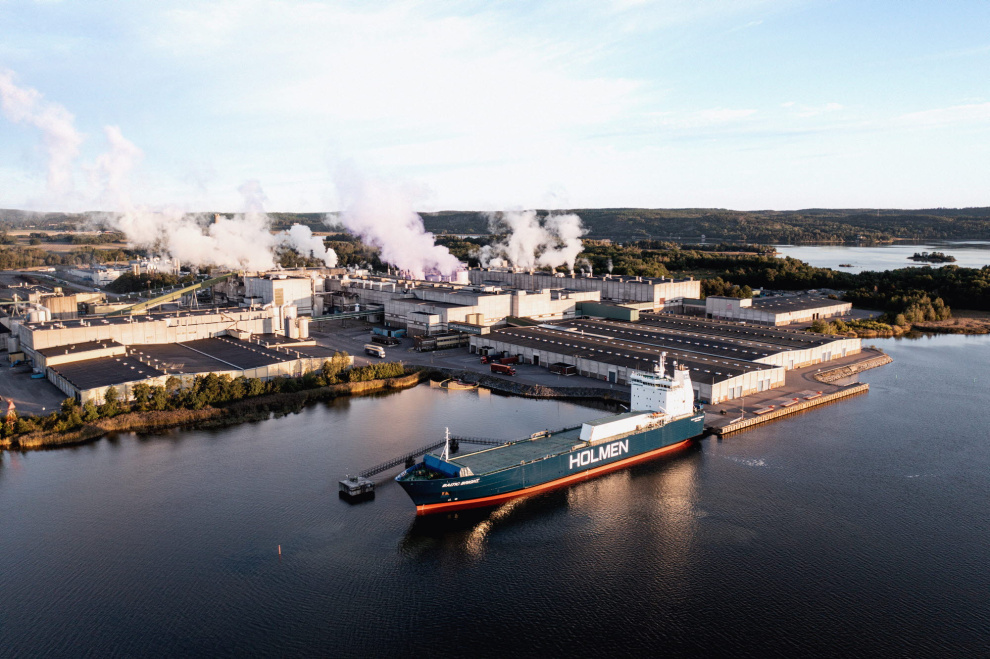
Lower electricity prices in northern Sweden and reduced demand for wood products weigh on results while Board and Paper maintains strong margins.