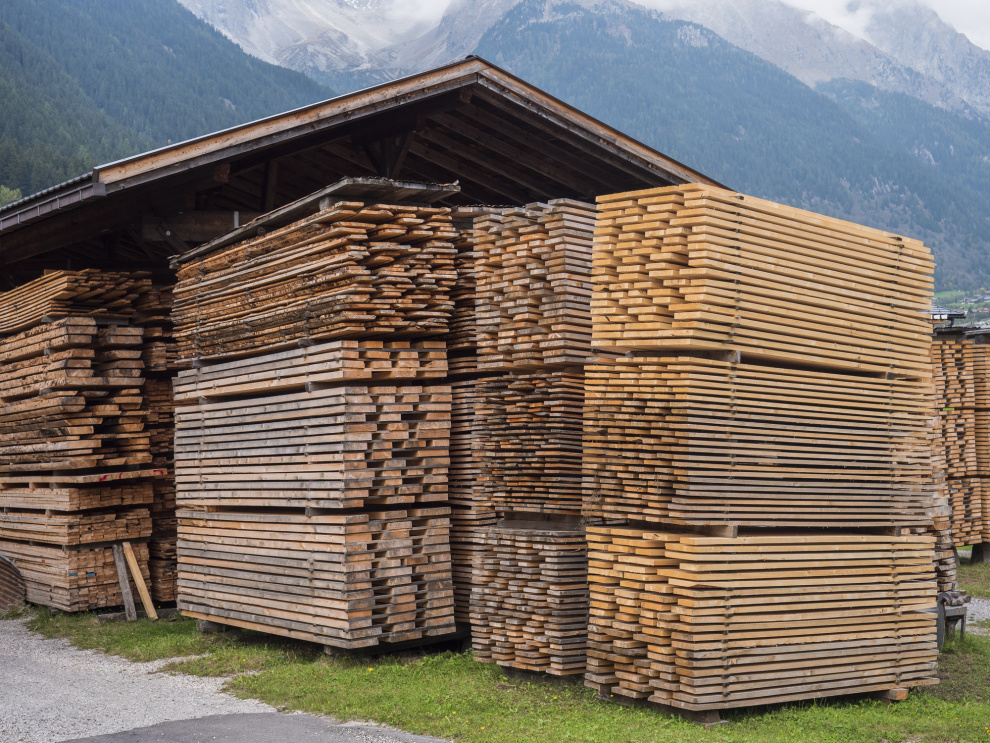
The company attributes the write-down to prolonged weak U.S. lumber market conditions and projects stable 2026 input costs with capital spending of $300 to $350 million.
The company attributes the write-down to prolonged weak U.S. lumber market conditions and projects stable 2026 input costs with capital spending of $300 to $350 million.
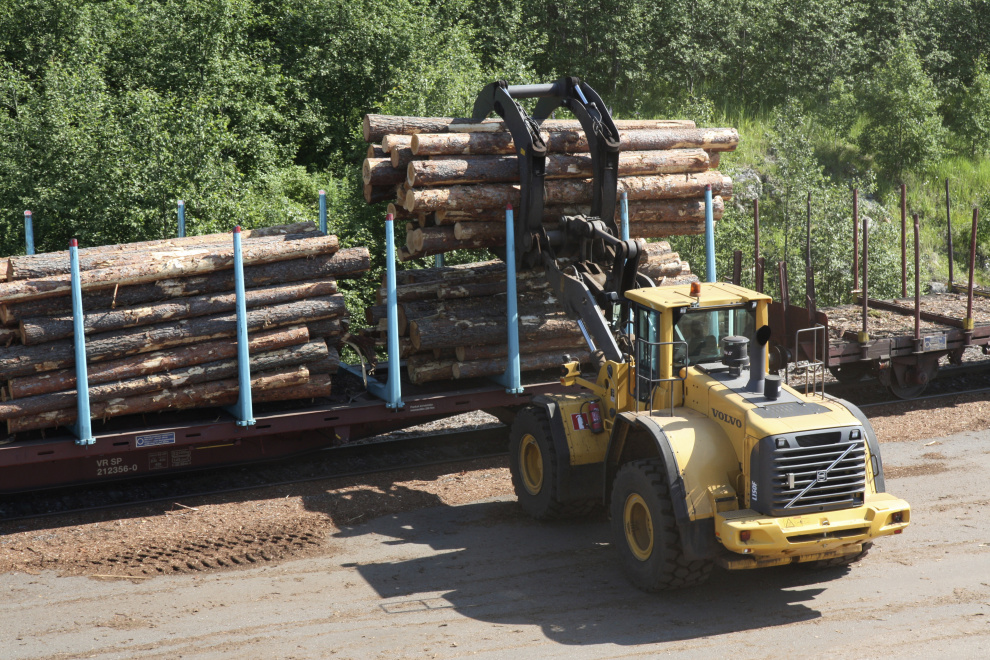
Agreement enters into force on December 31, 2025 after regulatory approvals and includes reciprocal wood supply and ownership changes.
Preliminary November figures show weak European and US demand drive sales below previous outlook.

Leader of Russia’s largest forest industry company warns of a coming wave of bankruptcies.
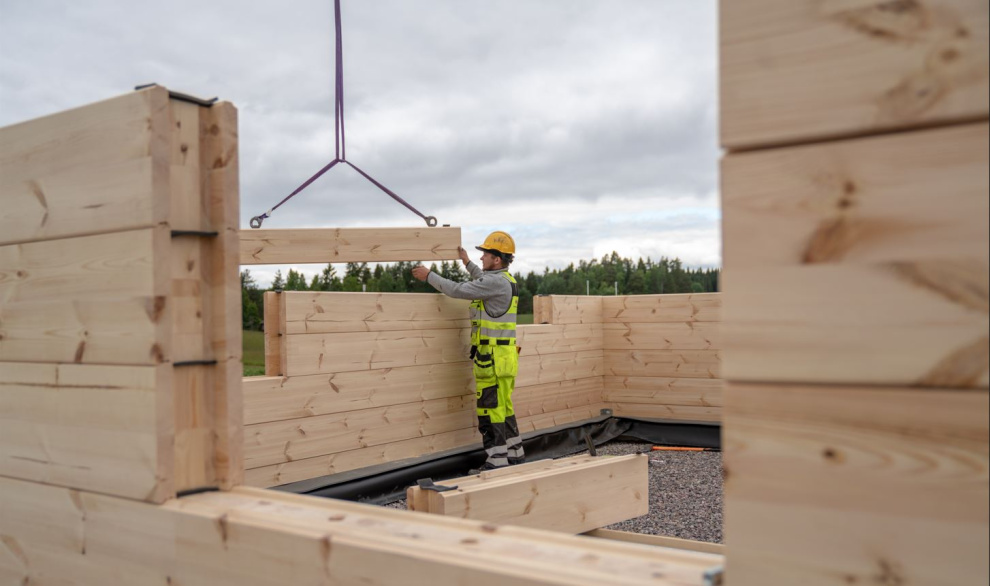
Project delays shift Q4 deliveries to spring 2026 as largest December export orders move to next financial year.
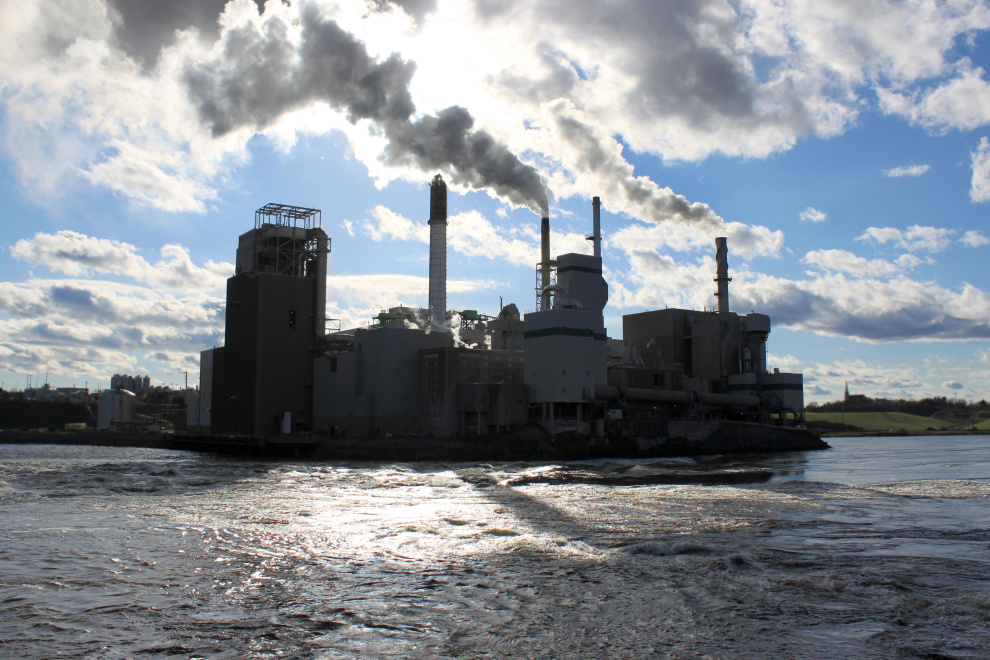
Buyers remain cautious as long-fiber pulp stays below $1,500 per ton and China increases short-fiber production capacity.
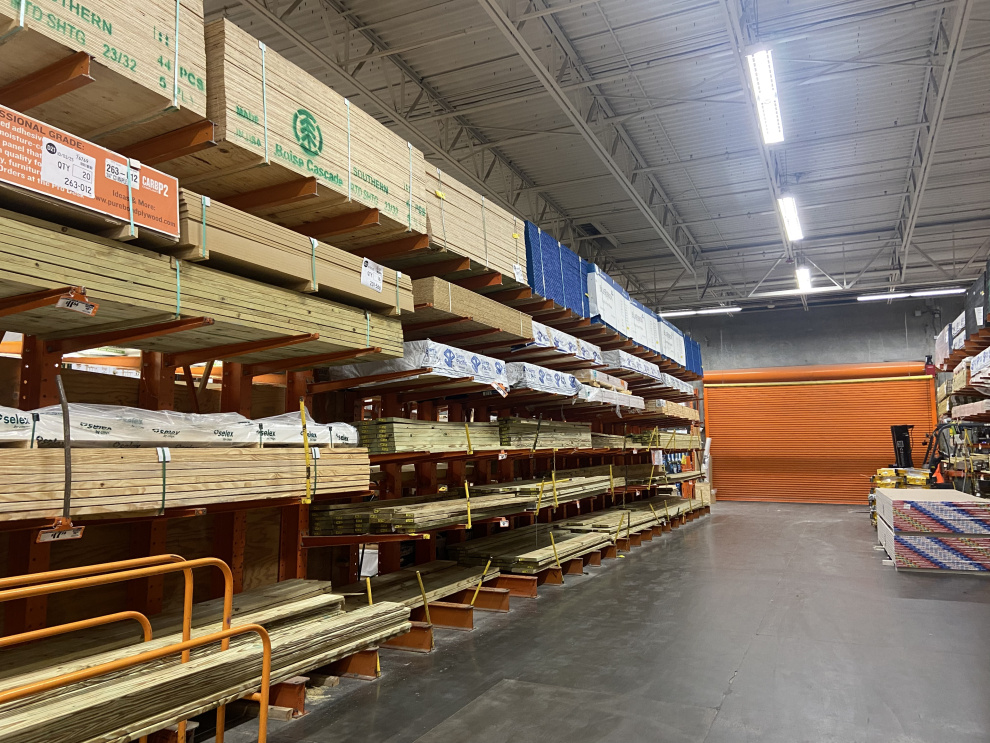
Retailer sees 2.5%–4.5% sales rise in 2026, below expectations.

Handelsbanken expects wood raw material prices to fall by 10–15% while structural supply shortages and strong krona continue to challenge Swedish industry.
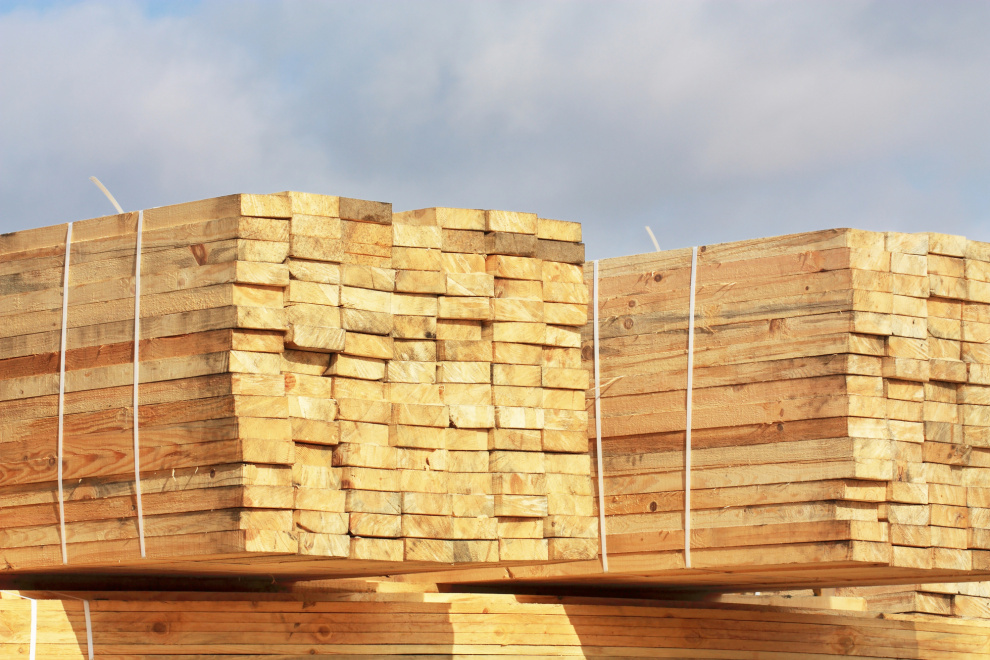
Average EBITDA margin for five major producers falls to 1.5%.
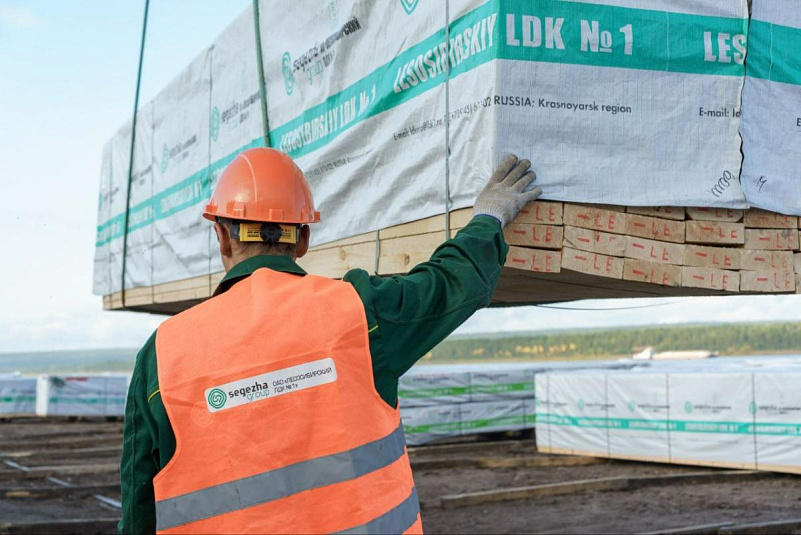
Chinese buyers push prices down as Russian exporters lack alternative markets.
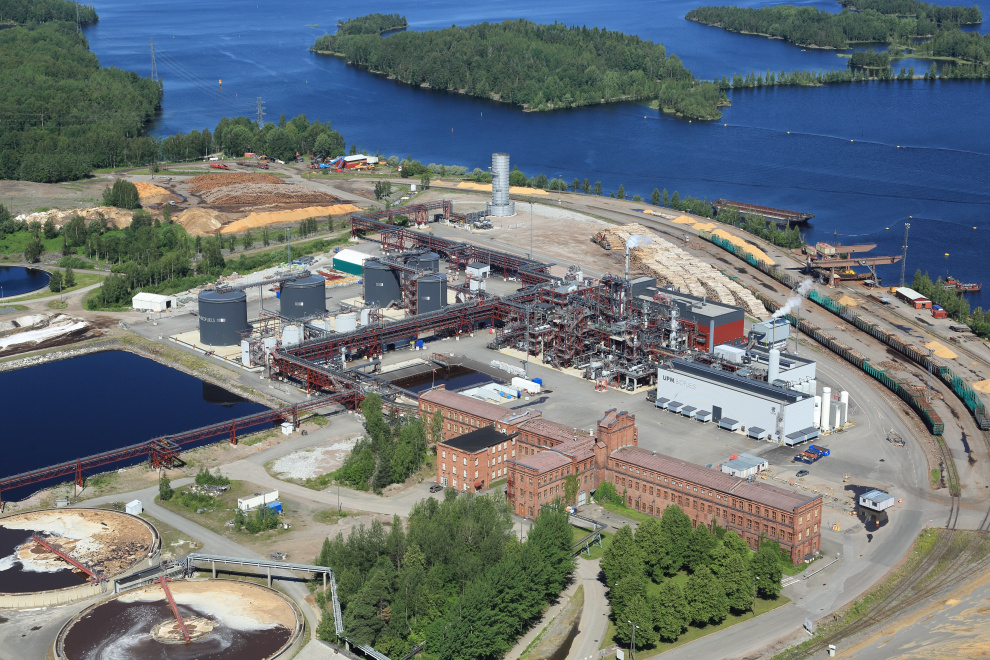
The plan targets Euro 10 billion in bio-based product purchases by 2030 and aims to expand a Euro 2.7 trillion sector employing 17.1 million people.
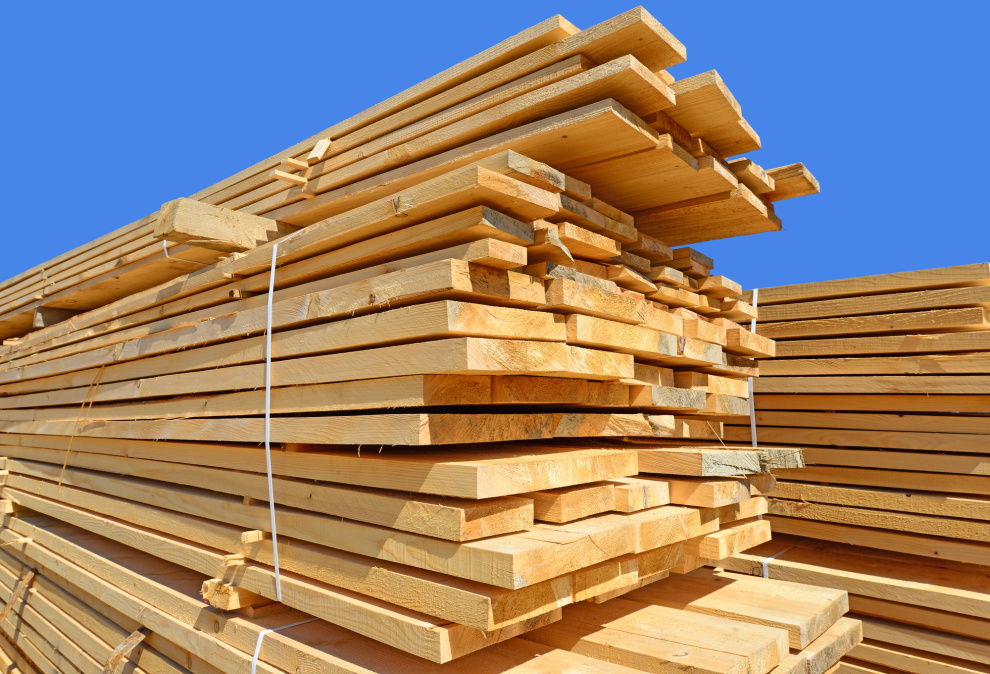
Russ Taylor projects sharp price increases driven by sustained US protectionism, reduced imports, and tariff-induced market distortions.
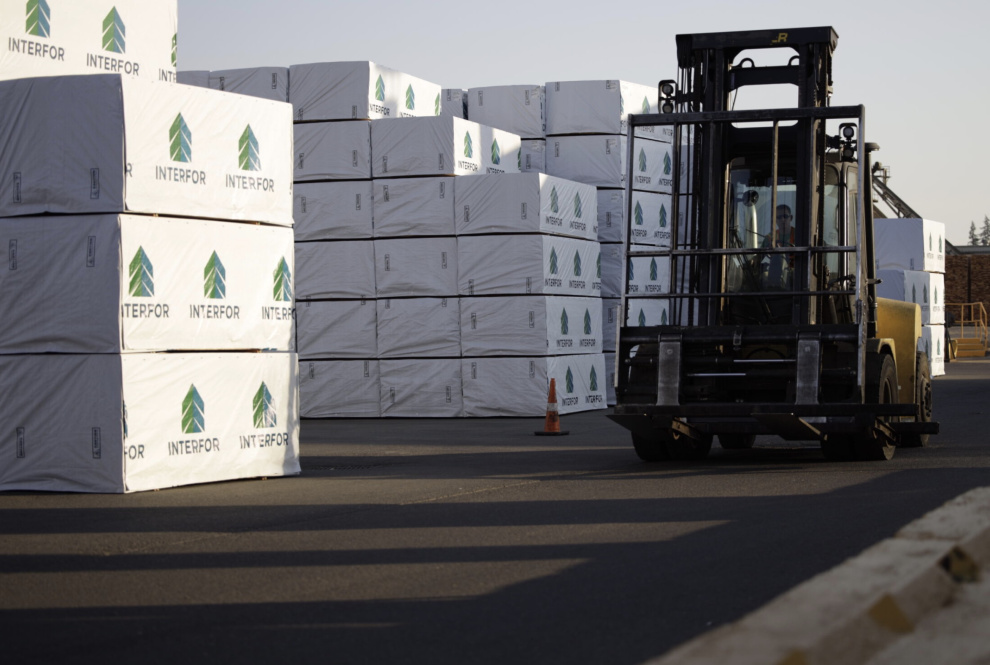
Lumber output dropped to 912 million board feet as the company is proceeding with a previously announced 26% production cut; duties expenses rose $147 million, partly offset by a $9 million revaluation gain.
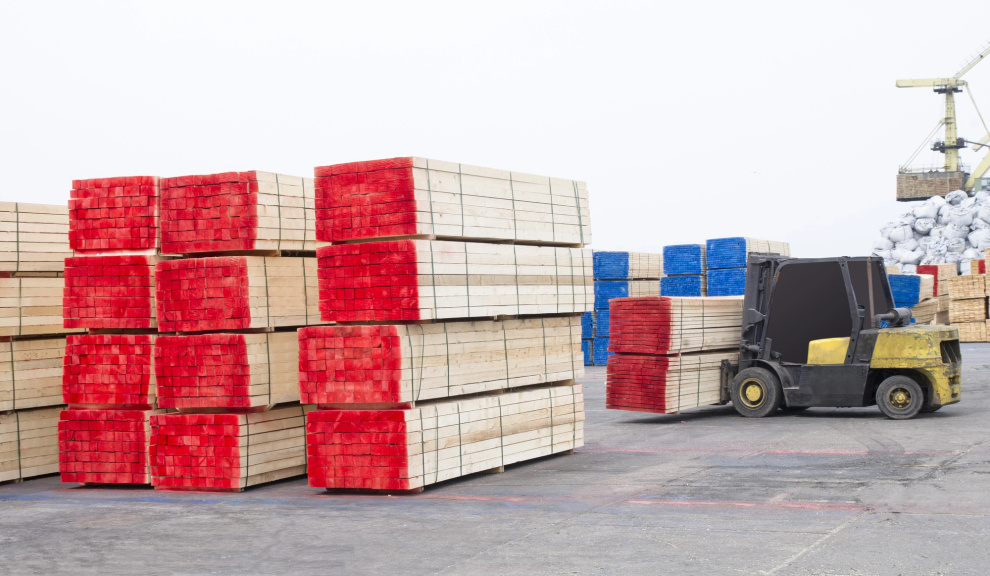
New report projects import dependence to continue through 2030 under ongoing production constraints.
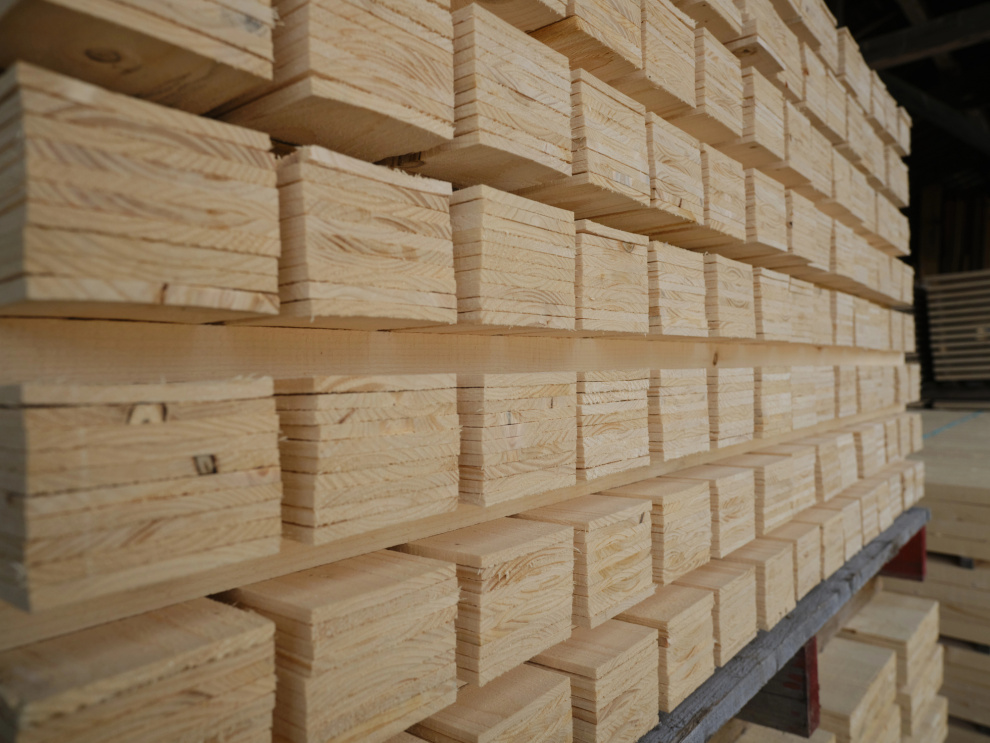
North American housing weakness, high duties, and soft global pulp prices drive lower production and margins across all regions.

Real estate EBITDA rises to $74 million; outlook indicates full-year results at or above prior guidance while Pacific Northwest EBITDA falls 26%.

Affordability constraints and cautious buyers reduced closings by 5% to 84,863 homes, bringing annual revenue to $34.3 billion.
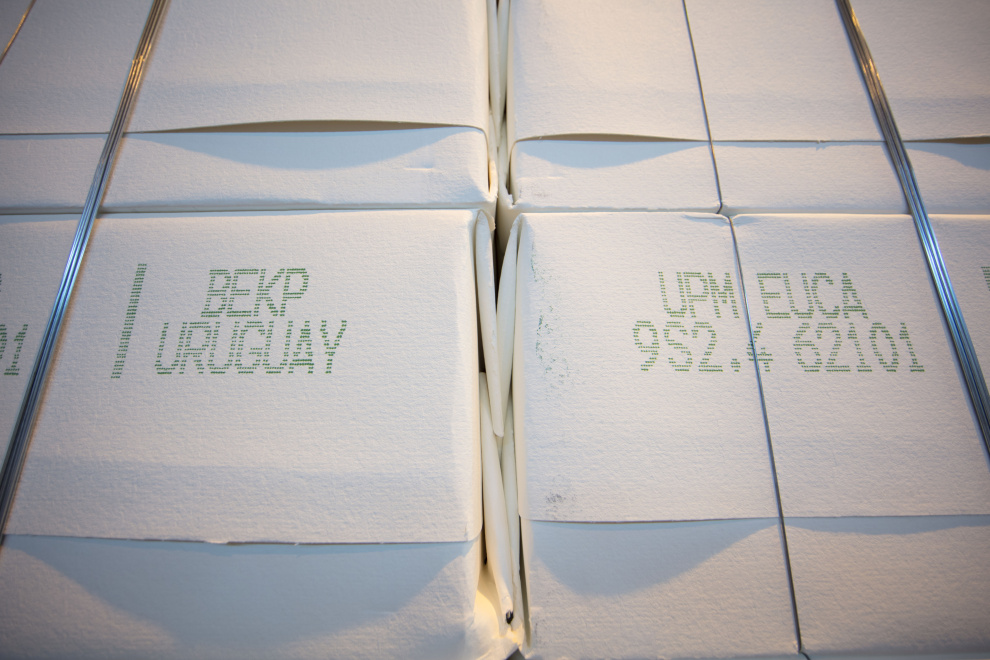
UPM’s sales fell 9% to Euro 2.3 billion as pulp and paper prices declined sharply; the company expects lower margins in H2.

Pulp prices fall 5% in Europe and 7% in China; paperboard deliveries to the US remain subdued despite recovery efforts.

Housing projected to reach 206.1 billion kronor in 2026 while commercial buildings grow by just 1%.