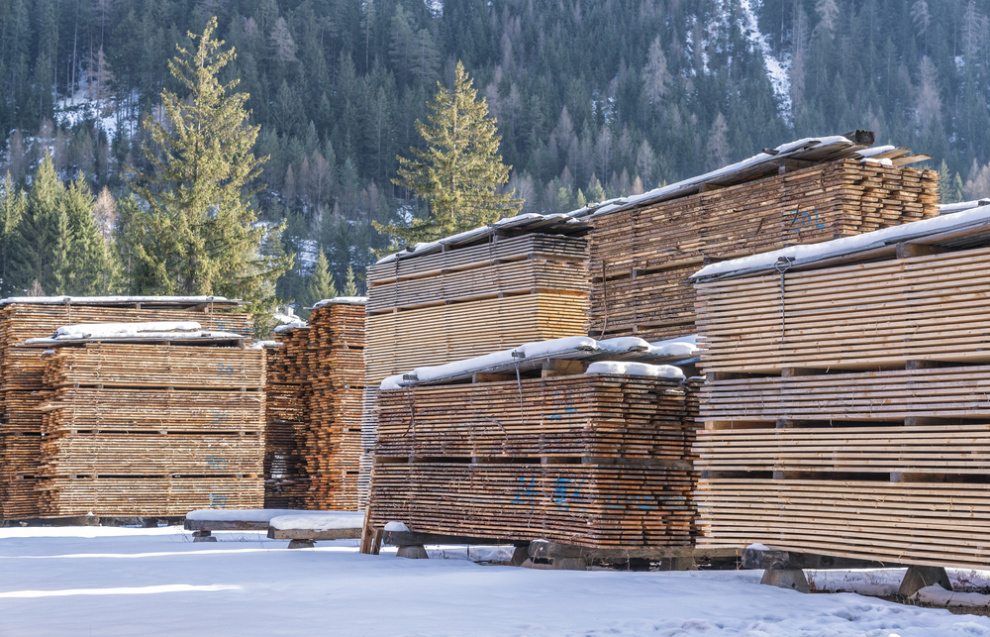
Mortgage rates above 6% and tariff uncertainty shape 2026 operating plans and input-cost expectations.
Mortgage rates above 6% and tariff uncertainty shape 2026 operating plans and input-cost expectations.

Sawlogs fall 5% in March, while pulpwood down 1%.

More than half of tracked metros post annual price declines, with Denver the weakest.
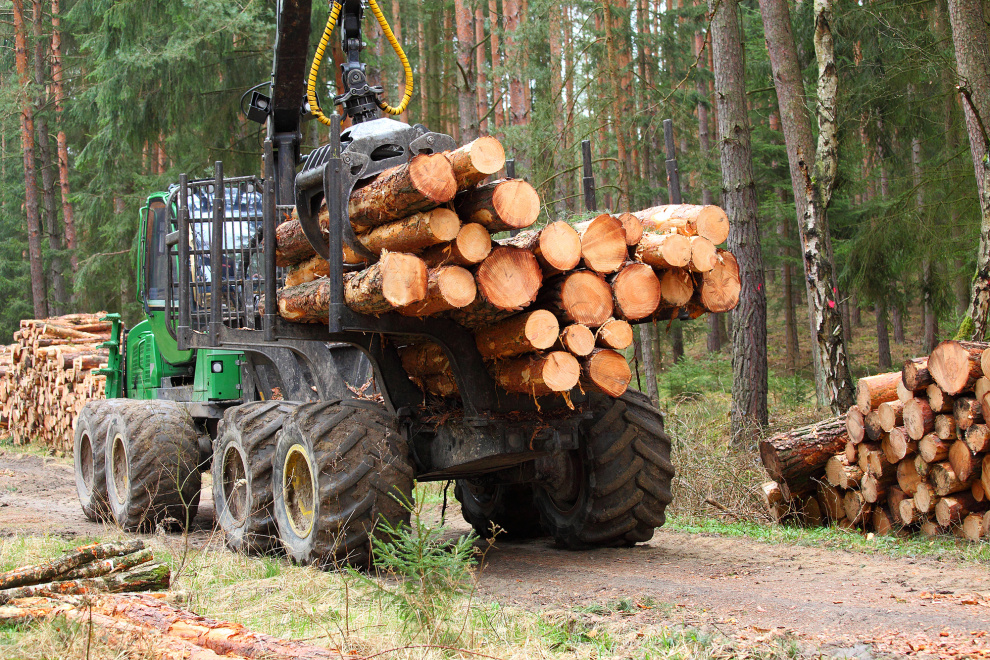
Finland consumes 78.9 million m3 of roundwood in 2025 Headline option 3: Finland forest industry roundwood use rises 6% in 2025 Subheading: Forest industry processing totalled 66.1 million m3, while energy use fell to 12.8 million m3.
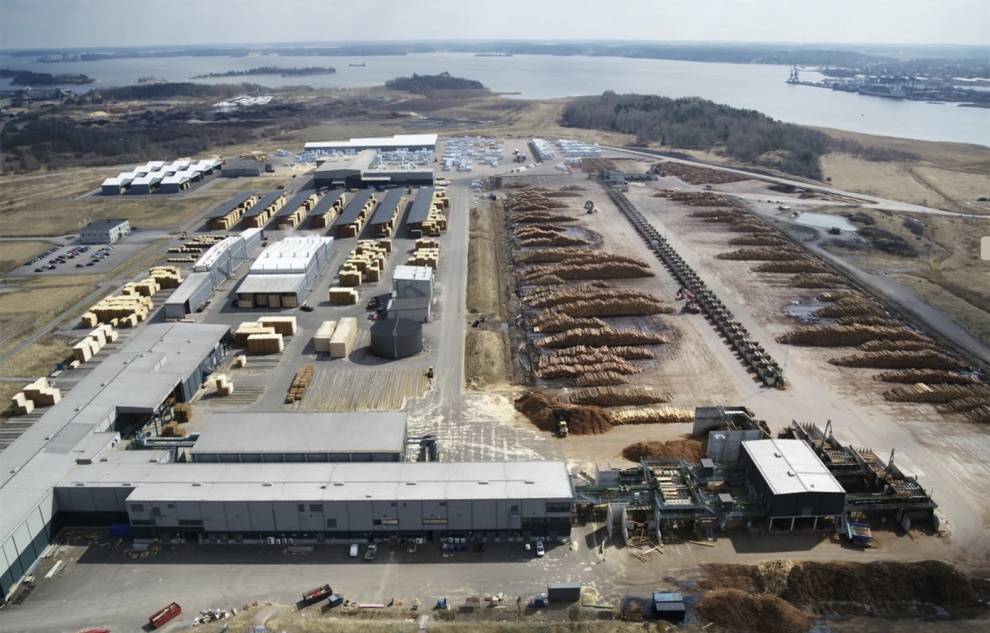
Significant overcapacity in the forest industry led to production curtailments that reduced demand for pulpwood, and pulpwood prices fell during the quarter. Log demand decreased, and log prices began to decline slightly from very high levels.

The builder cited affordability concerns and competitive conditions, and said it adjusted incentives, sales pace and production while working down spec inventory.

The forestry group cites higher logistics and input costs, a stronger krona and uneven pricing between wood supply and finished products, while pointing to small pulp-price gains late in the quarter.

Affordability limits and cautious buyers keep incentives elevated as orders rise and the builder reduces unsold completed inventory.

Model results show higher EU and UK production, lower U.S. Southeast prices, and larger trade changes than production changes after the rules take effect.

New estimates show lumber demand is more sensitive to housing starts than to GDP per capita or prices, and the revised setup produces lower long-run demand.
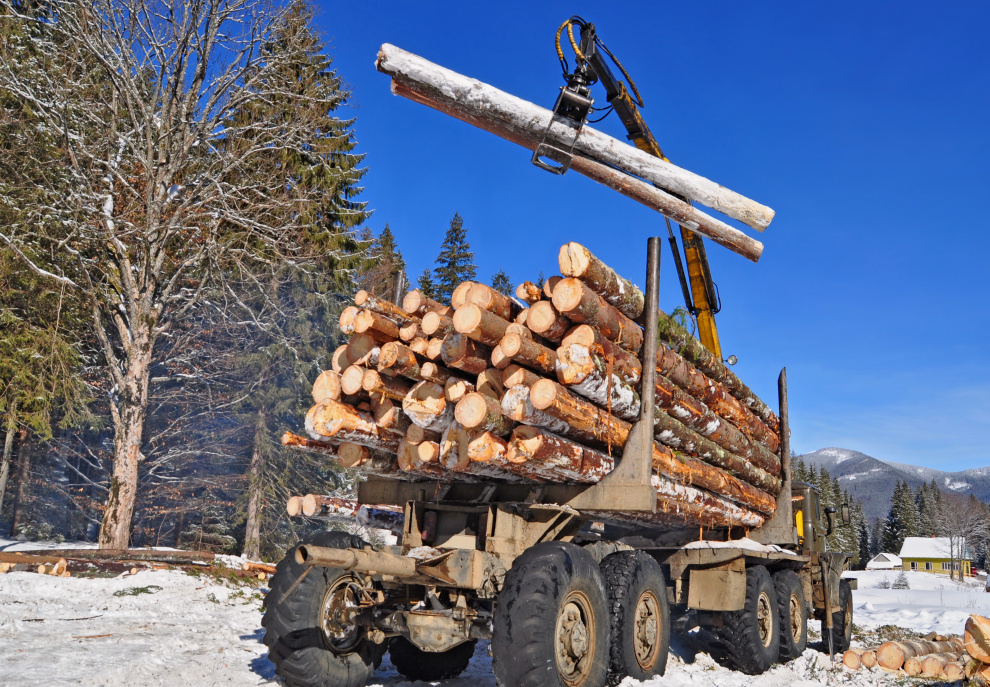
Standing sales prices for sawlogs and pulpwood increased, while industrial roundwood purchases from private forests remained below year-earlier and five-year levels.

Sales run at a 3.98 million annual pace as inventory rises and the 2026 forecast is lowered.

Industry groups seek a three-year bankruptcy moratorium as losses top 15 billion rubles.

Canadian shipments fall under U.S. duties, allowing European suppliers to gain share on a shrinking market.

Forecast growth is led by infrastructure spending, higher premises investment and a gradual housing-start rebound.
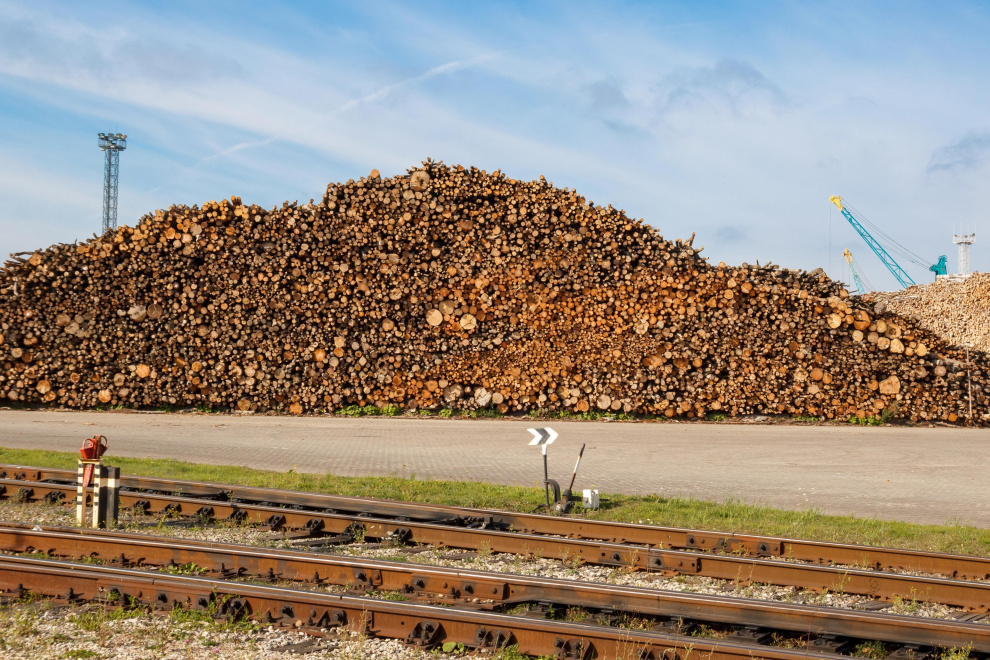
Daily offtake remains solid and supply from New Zealand is expected to ease from April as harvesting conditions tighten.
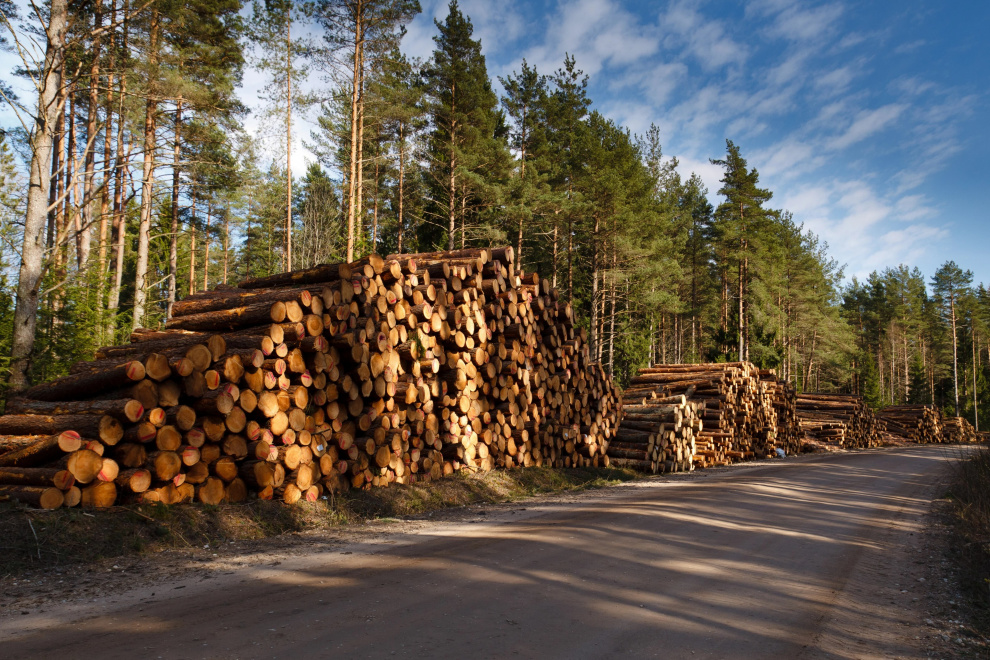
Sawlog harvesting drops 11% in February, while energywood totals 0.5 million m3, mostly delimbed stems and whole trees.

Forest chips fell to 9.1 million m3, while forest industry by-products rose to 10.4 million m3 in heat-only and combined heat and power generation.
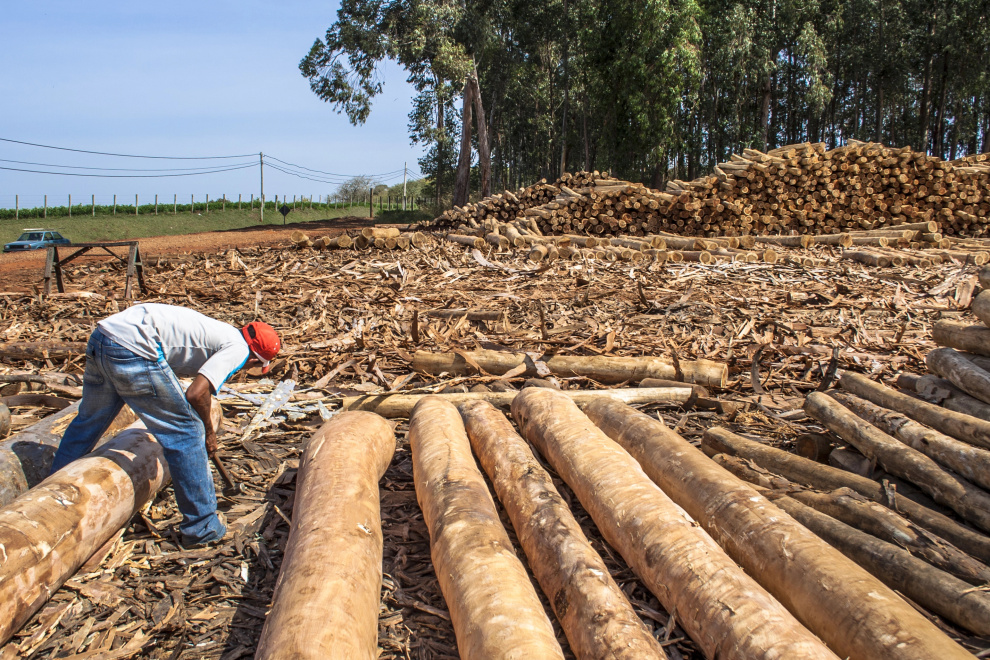
Buyer market growth also raises trade probability by 1.68%, confirming demand as the main market driver.
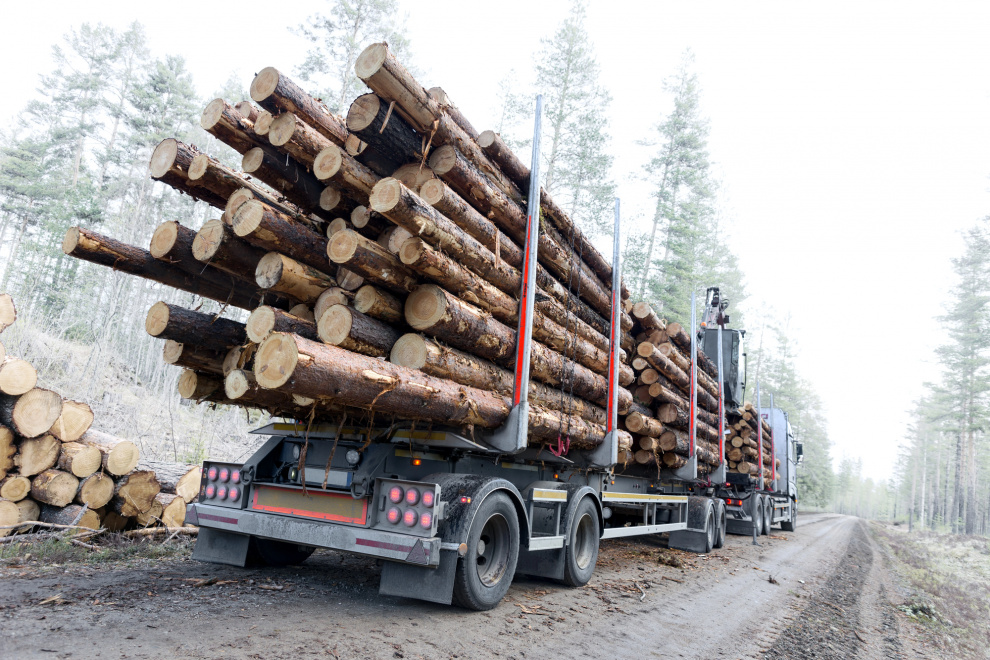
Standing-sale softwood log prices stayed near January levels, and delivery-sale spruce and birch pulpwood stabilized while pine edged lower.