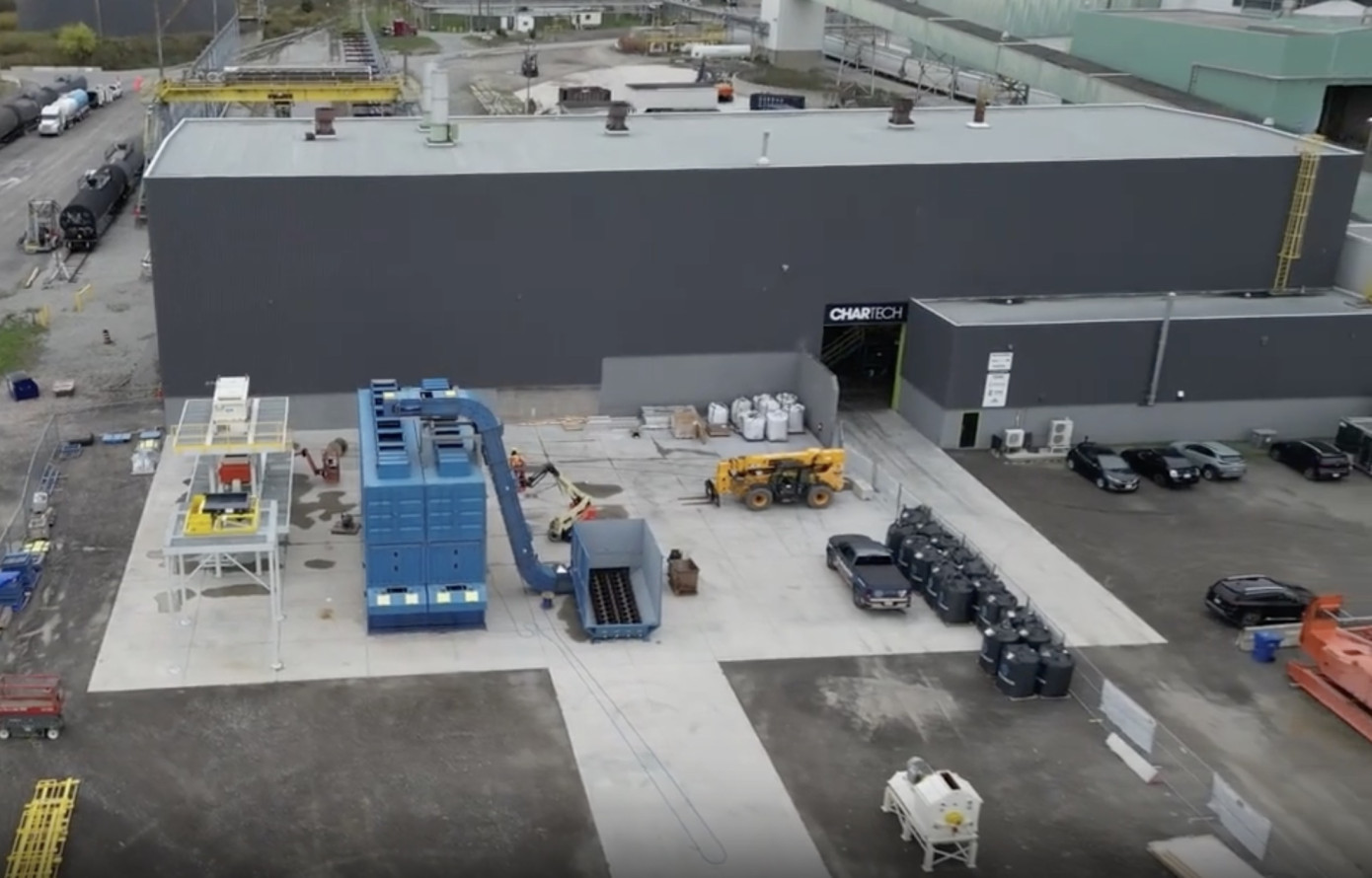
The Ontario government is investing $2.25 million through the Forest Biomass Program to help CHAR Technologies commercialize biocoal, a low-carbon fuel made from mill by-products and unused wood. The initiative aims to build a new supply chain for Ontario forest products and strengthen the forestry sector against U.S. tariffs, according to the Ministry of Natural Resources.
The project will improve biocoal’s storage and transport performance for use in steelmaking at ArcelorMittal Dofasco. It will support six existing jobs, create four new jobs, and utilize up to 180,000 tonnes of forest biomass each year.
The investment is part of Ontario’s plan to protect forestry workers and businesses by creating new markets for forest-based biofuels and building a more diversified, low-carbon industrial base.
Alongside the funding, Ontario released two new documents supporting the Forest Biomass Action Plan: the Interim Report, detailing progress in developing new markets and job creation, and the Research Summary Report, highlighting emerging biomass applications that deliver economic and environmental benefits.
The government also established a new working group to drive innovation and implement the Advanced Wood Construction Action Plan, which promotes greater use of wood-based materials in building and housing projects to strengthen supply chains and support sector resilience.
Since 2023, the Forest Biomass Program has committed over $50 million to more than 55 projects supporting Ontario’s bioeconomy and forest sector growth.
The Ontario government has further invested $6.4 million under the Forest Sector Investment and Innovation Program to expand CHAR Technologies’ Thorold facility, which produces renewable natural gas and biocarbon through high-temperature pyrolysis.
To date, the Forest Sector Investment and Innovation Program has provided more than $72 million in funding, leveraging $425 million in private investment to help forestry companies adopt new technologies.
Ontario’s forest sector generated $21.6 billion in revenue from manufactured goods and services in 2023 and supported over 128,000 direct and indirect jobs in 2024.