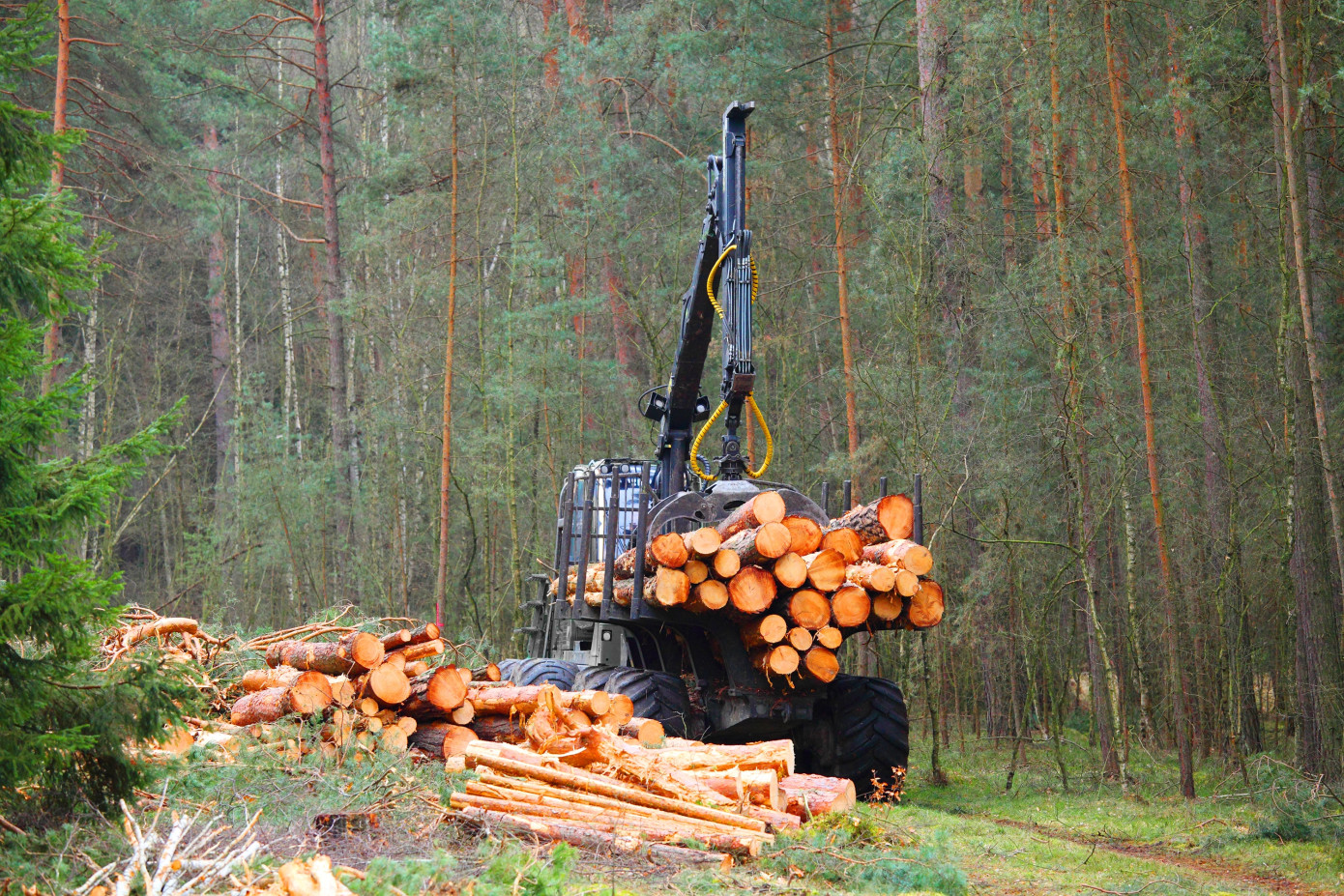
Timber harvest in rural counties across Oregon, Washington, and northern California has declined by 90% since 1988, with federal harvest in these areas dropping 96% by 2001. These figures reflect an uneven contraction of timber production and processing across the Pacific Northwest, where rural counties continue to anchor harvesting operations while manufacturing infrastructure has concentrated in more urbanized areas, according to the report by Mindy Crandall, Liam Resener, Susan Charnley, Jeff Vance Martin, and Julia Mycek from Oregon State University and the USDA Forest Service, Pacific Northwest Research Station.
Rural counties, where federal forest ownership is highest, recorded the steepest harvest losses among the region's 101 counties, which were categorized as rural (55), urbanizing (15), or urban (31). While total regional timber harvest averaged 19.0 billion board feet annually from 1958 to 1989, the average dropped to 9.7 billion board feet between 1990 and 2021. Oregon saw the sharpest single-state decline, with a 92% fall in federal timber harvest from 1989 to 2000.
In parallel, the number of sawmills across the three states fell from 728 in 1968 to 144 in 2016, a drop of 80%. Oregon alone lost 75% of its sawmills during this period. As of 2024, only 315 mills remain region-wide, down from 555 in 2000. Of those, just 43% are located in rural counties, while 57% are in urban and urbanizing counties, which together account for 69% of the region’s 1,555,328 thousand cubic feet of total mill processing capacity.
Employment and establishment figures further demonstrate the growing divide between forest extraction and wood product manufacturing. While forestry and logging jobs remain concentrated in rural areas, wood and paper product manufacturing jobs are predominantly urban. Since 1990, urban counties have consistently hosted more establishments and higher employment totals in these manufacturing sectors. Meanwhile, the share of forest industry jobs relative to total county employment remains higher in rural and urbanizing counties, which are less economically diversified.
Mills located farther from federal lands have shown greater longevity. Between 2000 and 2024, the average distance of operational mills from federal lands increased from 9.2 km to 10.3 km. Closed mills had averaged only 7.6 km from federal forests. Additionally, larger mills were more likely to remain operational; 53% of those open in 2024 had annual capacities exceeding 1 million cubic feet.
Among 240 mill closures over the last two decades, nearly half, or 115, occurred in rural counties. Isolation was a significant risk factor: in rural areas, 29.2% of isolated mills closed compared to 19.1% of clustered ones. By contrast, in urban counties, clustered mills were more likely to shut down.
Despite the collapse in federal harvest and a regional restructuring of timber infrastructure, rural counties continue to exhibit the highest specialization in forestry and logging, with location quotients consistently exceeding those of urban areas since 1990. However, the growing spatial separation between harvest zones and processing centers poses mounting challenges for wildfire mitigation and forest restoration, especially as federal policy shifts toward a restoration-focused management strategy.