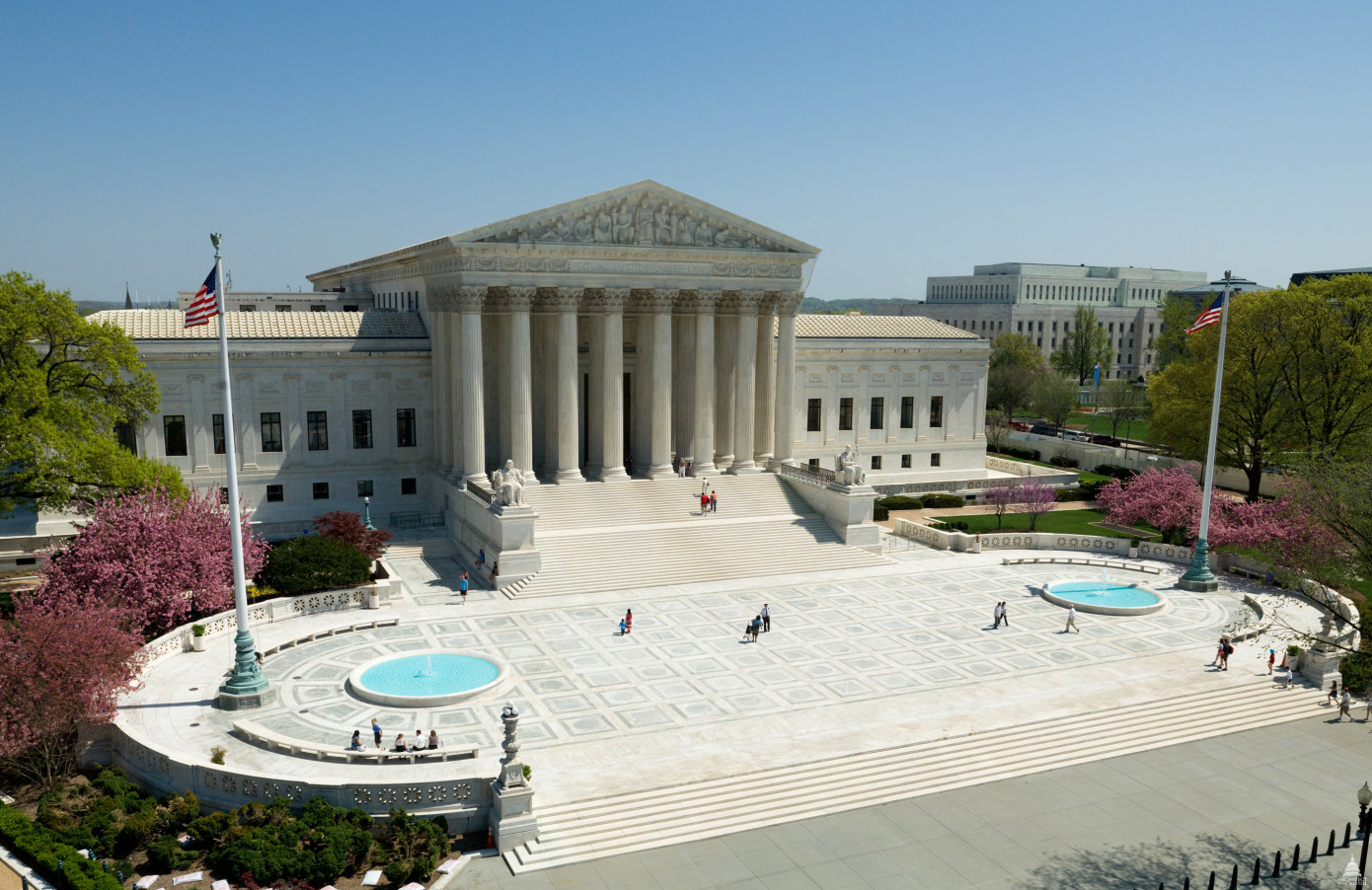
The Supreme Court rules that President Trump’s broad new tariffs are illegal, saying he exceeds his authority by imposing sweeping import duties without clear approval from Congress.
Chief Justice John Roberts wrote for the 6-3 majority that the International Emergency Economic Powers Act of 1977 did not implicitly grant presidents the “extraordinary power” to impose tariffs, adding that Congress would have said so directly if it had intended to hand over that authority. Justices Clarence Thomas, Samuel Alito, and Brett Kavanaugh dissented.
The decision covered two major tariff programs: a global set applied to nearly every country, framed by the administration as a response to trade deficits, and a second set targeting Canada, Mexico, and China, which Trump tied to fentanyl trafficking into the U.S. The ruling left other, narrower tariffs issued under different laws in place.
The court did not address whether the government must refund tariff revenue already collected, setting up more litigation in lower courts. Kavanaugh warned in his dissent that refunds could create a “mess” with significant consequences for the U.S. Treasury, as companies had filed hundreds of protective lawsuits to preserve refund claims.
The struck-down tariffs represented most of Trump’s second-term duties, with the Tax Foundation estimating the emergency-based tariffs would raise about $1.5 trillion over the next decade, around 70% of the total. Trump first imposed the fentanyl-related tariffs in February 2025, then announced a sweeping 10% baseline tariff in April 2025 on what he called “Liberation Day,” prompting lawsuits from small businesses and Democratic-led states that argued the measures functioned as taxes that required congressional authorization.