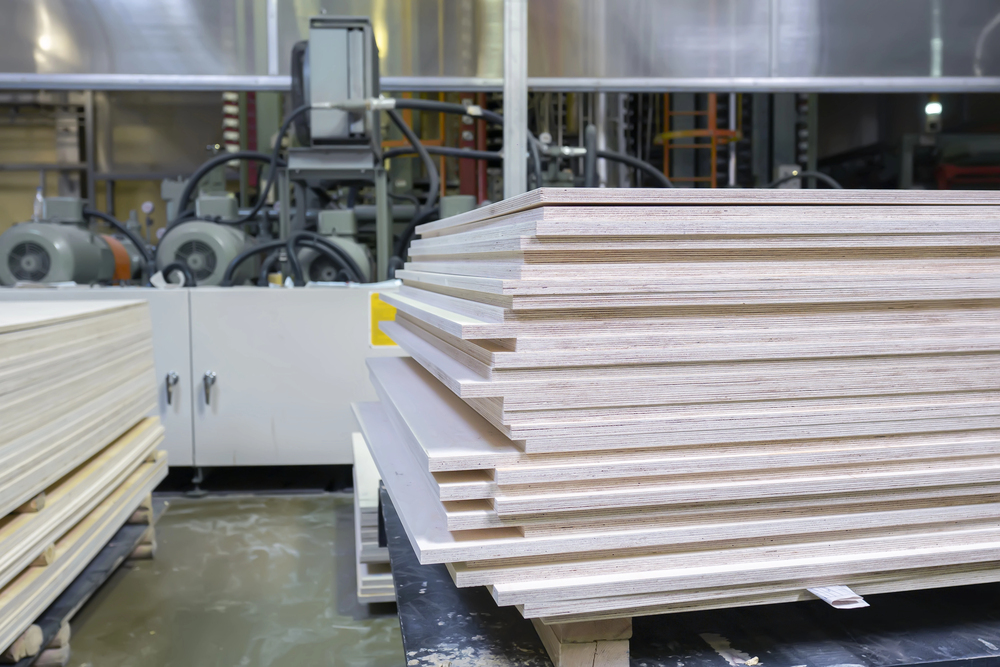
The Environmental Protection Agency is proposing changes to its formaldehyde emission standards program for composite wood products under TSCA Title VI by updating the voluntary consensus standards incorporated by reference in 40 CFR part 770 and adding one new quality-control test method. Comments must be received on or before March 13, 2026, according to the publication in the Federal Register.
The proposal applies to manufacturers and importers of hardwood plywood, medium-density fiberboard, particleboard, and products that contain those composite wood materials, as well as entities that test or certify them. EPA also proposes technical corrections to the scope and definitions sections to match the updated standards list in the regulatory text.
EPA proposes updating the referenced editions of several standards used for product specifications and formaldehyde testing, including ANSI A190.1-2022 for structural glued laminated timber, ASTM D5582-22 for desiccator testing, ASTM D6007-22 for small-scale chamber testing, ASTM E1333-22 for large-chamber testing, BS EN ISO 12460-3:2023 and ISO 12460-3:2023(E) for the gas analysis method, and NIST PS 1-22 for structural plywood.
EPA also proposes incorporating ISO 12460-2:2024(en) as an additional small-scale chamber method for quality-control testing under 40 CFR 770.20(b)(1). EPA says the method would expand the analytical options available for quality control testing, including laser absorption spectroscopy, and it notes that California’s Airborne Toxic Control Measure recently incorporated ISO 12460-2:2024(en) as a valid small-scale quality-control chamber test method.
EPA says it anticipates no additional costs to stakeholders from the proposed updates because it describes the action as a routine update to standards that have been updated, superseded, or withdrawn by their issuing organizations.