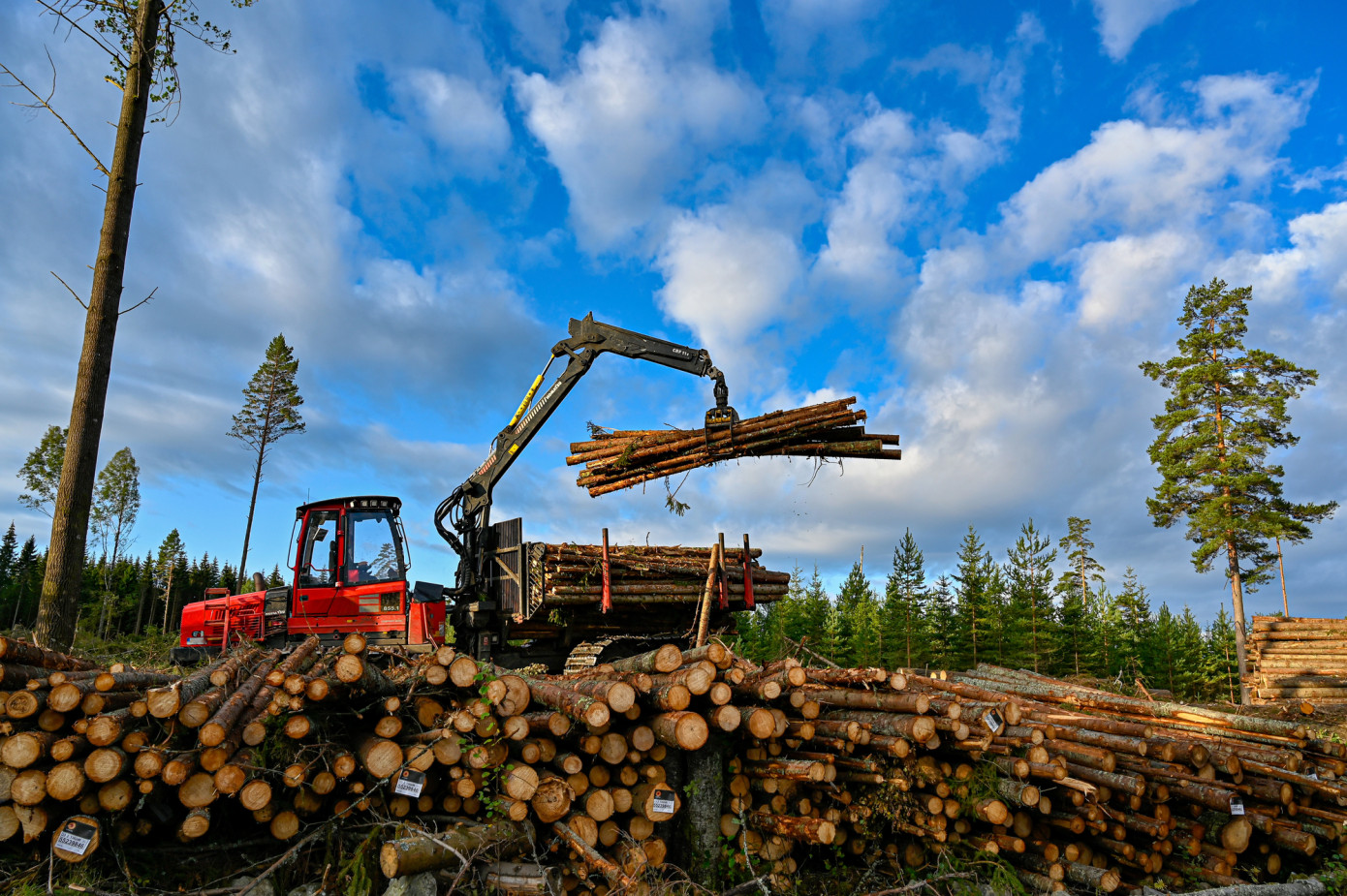
Mechanization has reduced fatal injuries for loggers in the northeastern United States but introduced new health risks linked to prolonged equipment use, according to interviews with 29 loggers across New York, Pennsylvania, and West Virginia. Participants reported concerns over weight gain, back pain, and cardiovascular risks from extended sedentary work, as well as mental stress from financial burdens and limited access to affordable health insurance. The findings come from a study conducted by the Northeast Center for Occupational Health and Safety in Agriculture, Forestry, and Fishing and West Virginia University Extension.
Loggers described how mechanization improved protection by removing workers from direct chainsaw use and tree-felling risks. However, long hours seated in machines have increased exposure to whole-body vibration and reduced physical activity, contributing to obesity and hypertension. Most interviewees were business owners, with only three identifying as employees. Of the 29 participants, twelve used conventional methods, thirteen operated mechanized equipment, and four used both approaches.
Access to health insurance remains a barrier. Most loggers interviewed said they did not carry coverage, citing high costs and limited benefits. This issue is particularly significant in an industry where businesses are often small and owner-operated, making employee coverage financially unfeasible. While worker’s compensation is required, the absence of health insurance increases the risks associated with illness and injury, particularly in an already hazardous profession.
Mechanized logging requires heavy investment in expensive machinery such as harvesters, skidders, and forwarders. Participants shared that this results in high debt loads and the need for increased production to remain viable, amplifying mental stress. Several loggers cited unstable timber markets as further compounding financial pressure, making long-term planning and business sustainability more difficult.
Interviewees also criticized the quality and accessibility of safety training. While acknowledging the importance of certification, many considered current programs inadequate or not worth the financial and time investment. In addition, concerns were raised about untrained logging operations, which participants said not only compromise safety but also damage the industry’s reputation and create unfair competition.
Despite safety improvements, the combination of financial instability, health risks, limited benefits, and inadequate regulation continues to challenge workforce sustainability in the region’s $3 billion logging sector, which employs over 55,000 people.