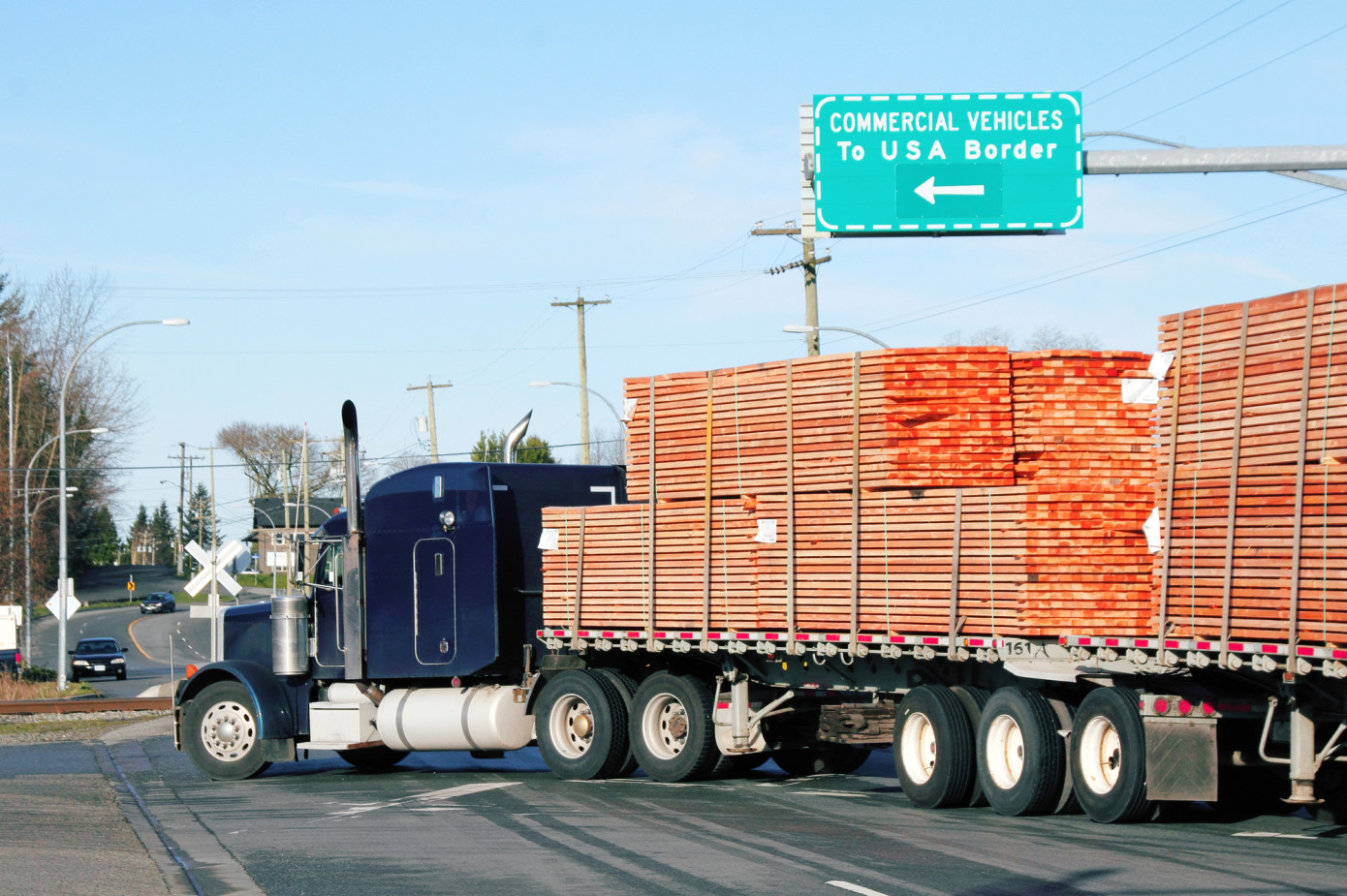
Higher tariffs suggested by President-elect Donald Trump could significantly affect the wood product sector, raising import taxes on a critical trade commodity. Tariffs of up to 60% on Chinese imports, 25% on USMCA partners like Canada and Mexico, and 10% on other nations threaten trade valued at $50 billion in 2023, according to a Peterson Institute for International Economics (PIIE) analysis.
China supplies 13% of US wood product imports, while free trade agreement (FTA) partners, including Canada and Mexico, account for 50%. Non-FTA partners contribute 36%. Under Trump’s plan, tariffs on wood products from China would increase by 43.8 percentage points, up from a current average rate of 16.2%. Imports from Mexico and Canada face a 25 percentage point rise from near-zero tariffs, while non-FTA nations could see tax hikes of up to 10 points. Image: Peterson Institute for International Economics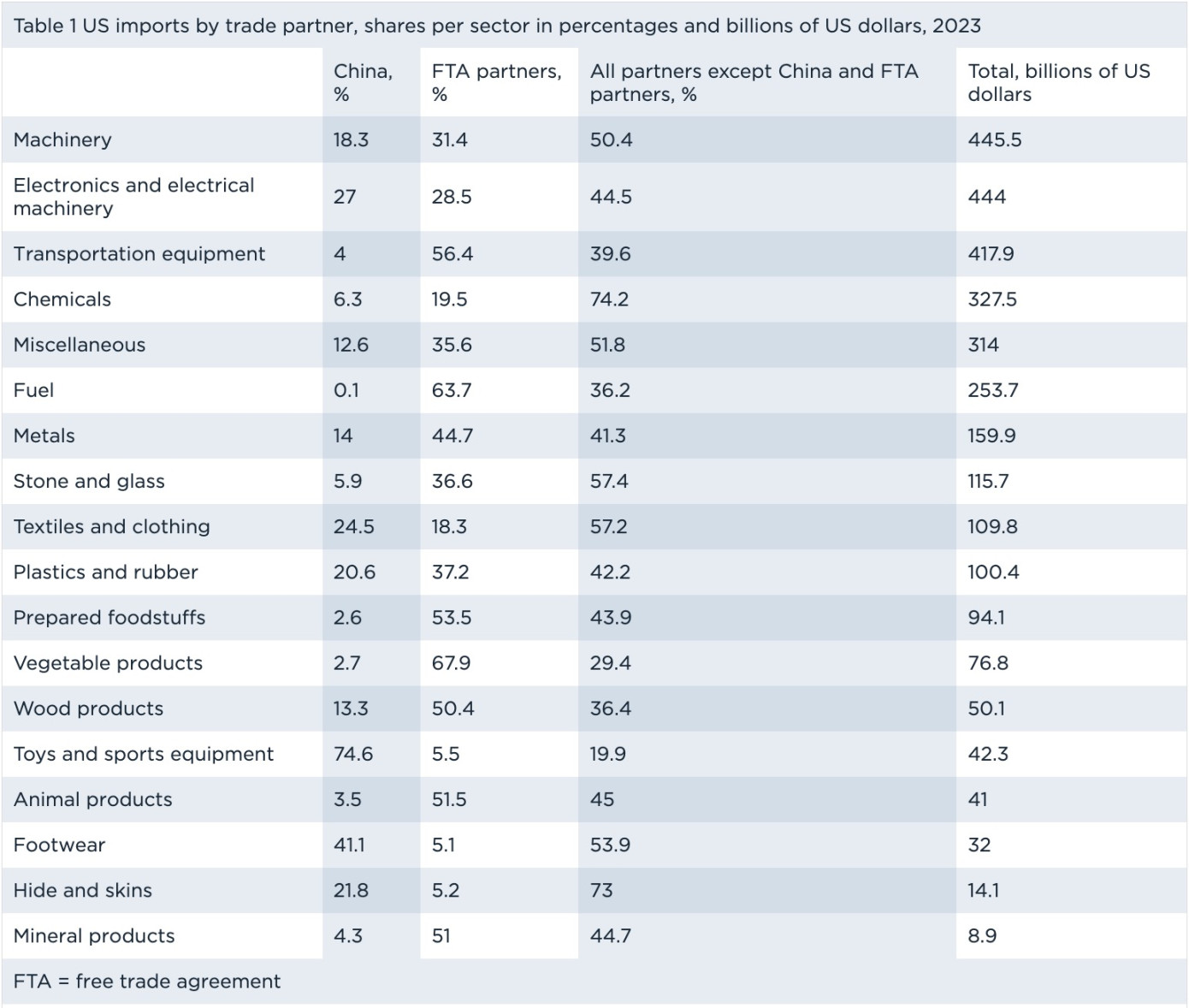
The increased costs threaten both supply chains and US businesses reliant on imported wood for construction, furniture, and manufacturing. Higher prices could flow directly to consumers, raising costs for housing, infrastructure, and wood-based goods.
The economic impact could be widespread. American firms relying on wood as intermediate goods in production will face increased costs, likely leading to higher domestic prices. For example, Canada, a top supplier of wood products to the United States, could face disrupted trade flows, further tightening markets already sensitive to price changes. Image: Peterson Institute for International Economics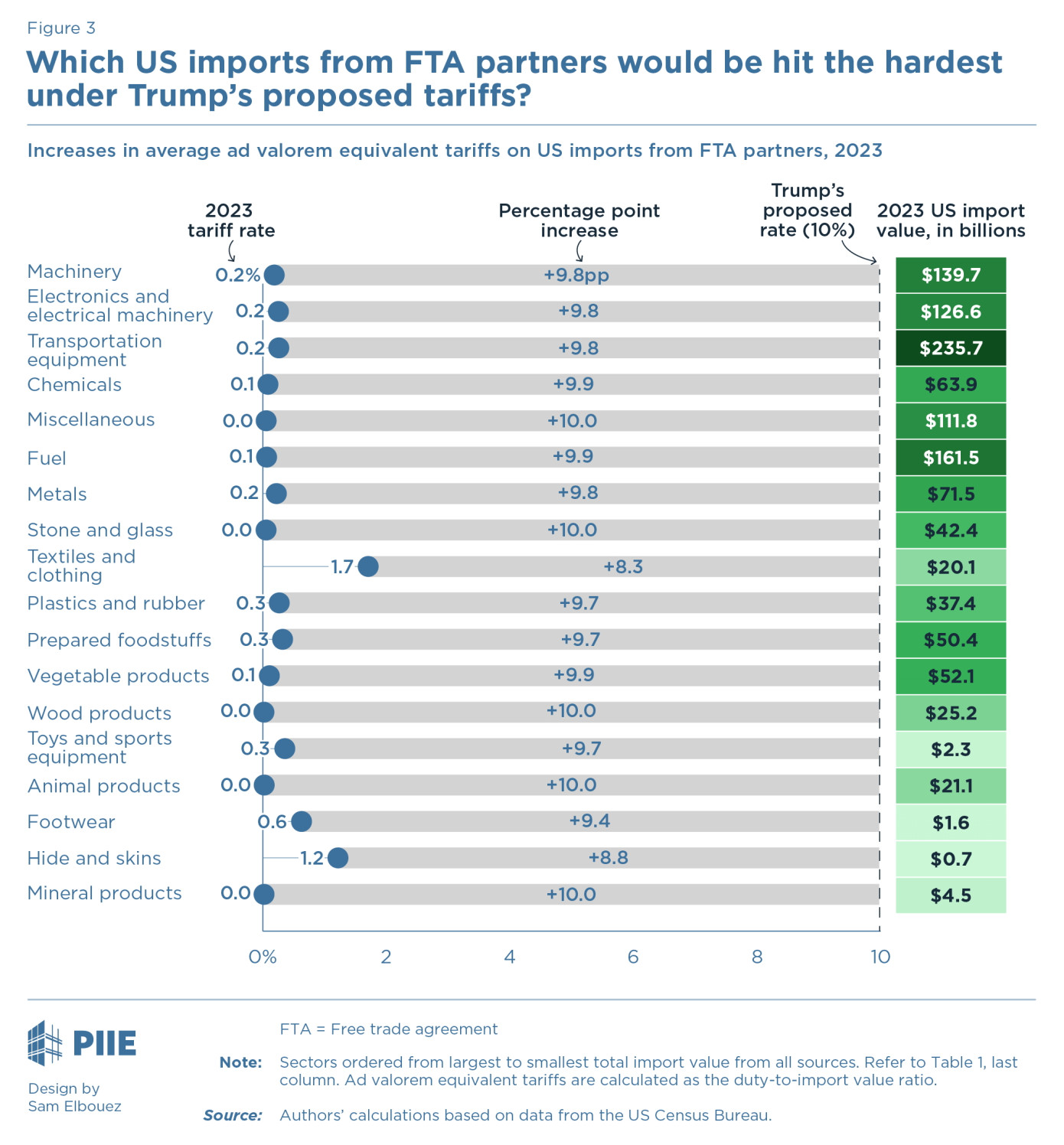
The analysis highlights that tariff hikes risk dampening competition while increasing costs for US manufacturers and households. Wood product imports, which are taxed lightly under current agreements, are among the sectors most at risk of substantial price increases, with low-income consumers facing the brunt of the impact.
Higher costs from tariffs on essential trade commodities like wood threaten to ripple across the US economy, driving up housing costs and reducing competitiveness for US manufacturers.