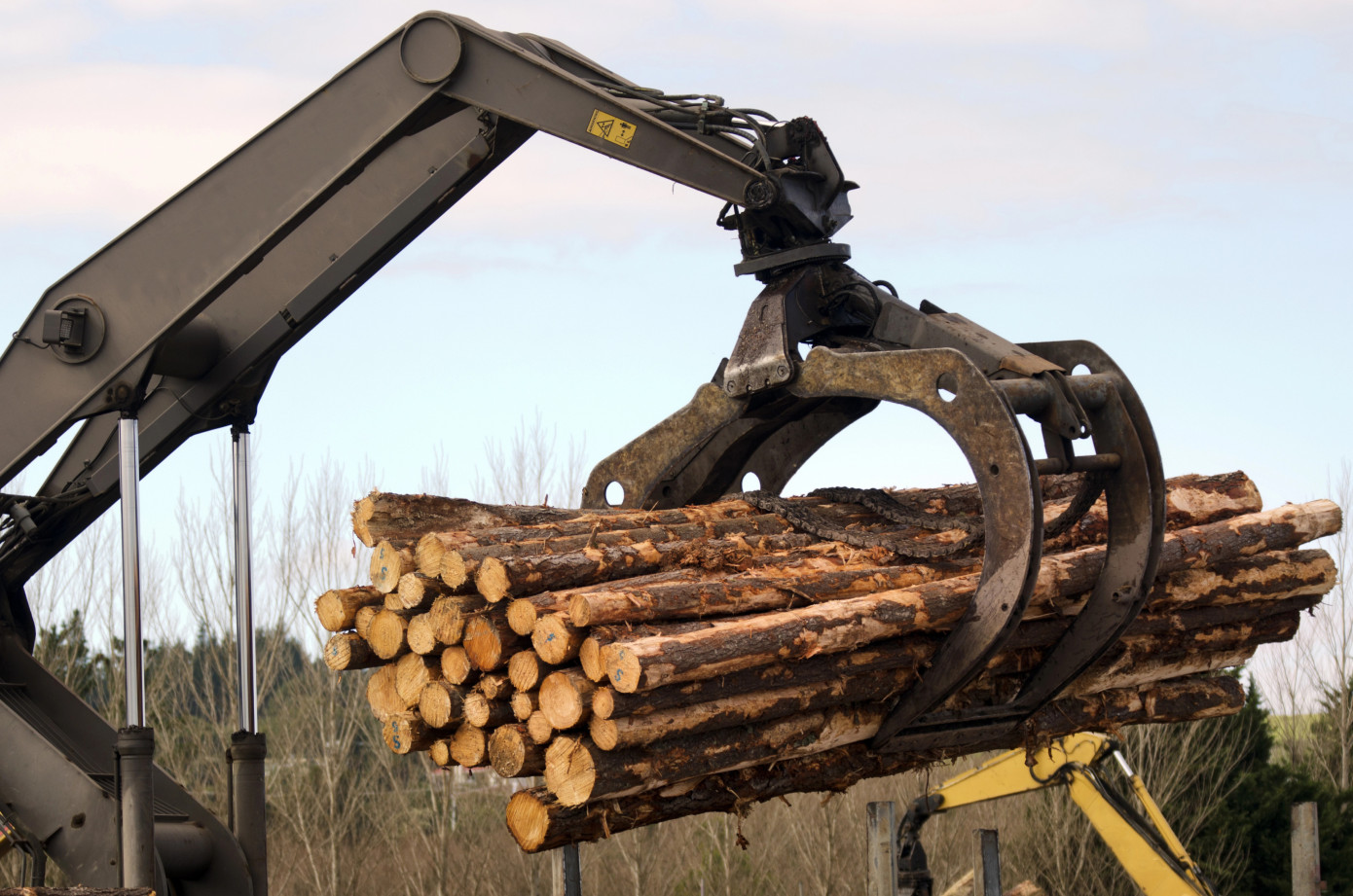
Timber sales on U.S. federal lands have increased only modestly in fiscal 2025, complicating efforts by the Trump administration to sharply expand logging. Weak demand, litigation, and capacity constraints threaten to stall the broader push.
Timber sales by the Bureau of Land Management have risen 4.6% so far this year compared to all of fiscal 2024, and U.S. Forest Service sales increased 12.5% in the first three quarters of 2025, with more federal sales expected through September, Interior Department spokeswoman Alyse Sharpe told Bloomberg.
President Donald Trump has made public‑land logging expansion central to his strategy to reduce lumber imports and bolster domestic forestry jobs. His administration has loosened NEPA (National Environmental Policy Act) rules and reduced public notice requirements to accelerate timber projects.
Still, industry and environment experts warn that deeper obstacles persist. Logging firms face weak lumber prices, labor constraints, and uncertainty about future regulation. Todd Morgan, director of forest industry research at the University of Montana, told Bloomberg it could take up to a decade to harvest trees from already awarded federal timber sales.
Analysts say federal agencies may need four years to meet the administration’s goal of a 25% increase in logging by fiscal 2026. But federal lands supply only a small portion of America’s timber. In western states, about 85% of harvested wood comes from private or state lands.
The U.S. also lacks enough sawmill capacity to fully replace current Canadian lumber imports. Replacing that supply would require building 70 new sawmills at an estimated $200 million each, according to Russ Taylor, a wood‑market consultant from British Columbia.
Environmental groups warn that the regulatory rollbacks will let logging proceed with less oversight. Susan Jane Brown, legal counsel at Silvix Resources, expects significantly more logging activity to occur without public awareness until after operations are already underway.