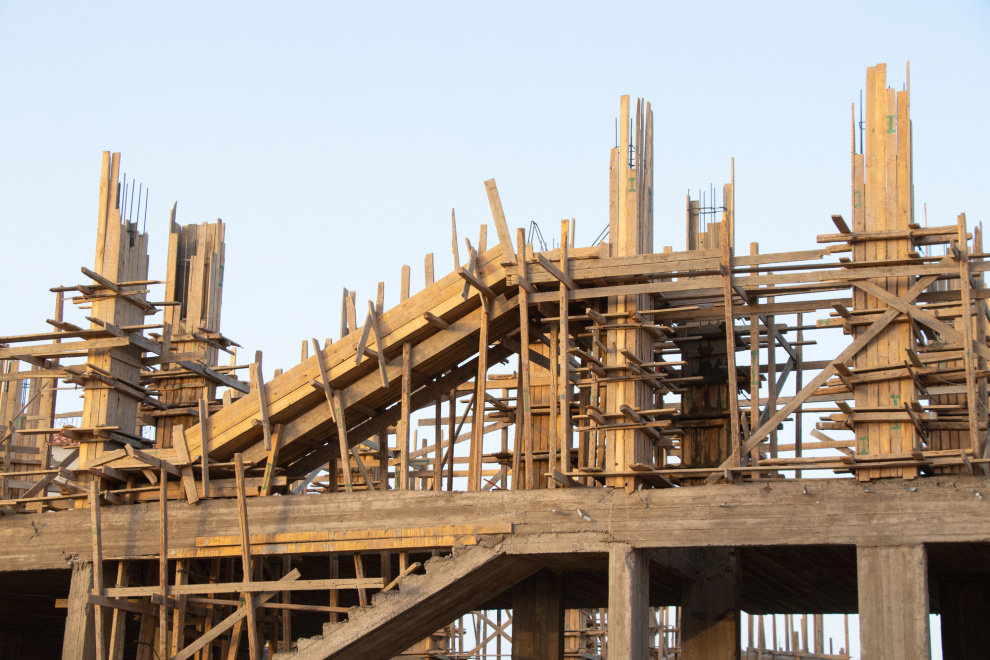
High financing costs, construction-input prices and currency weakness are expected to limit new procurement.
High financing costs, construction-input prices and currency weakness are expected to limit new procurement.
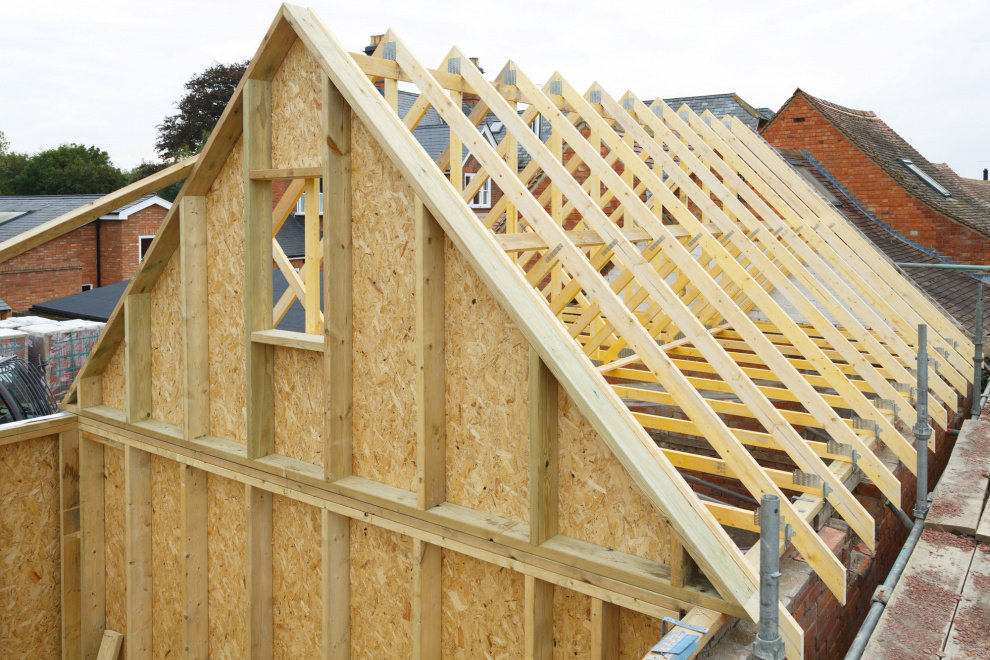
The company points to weaker housing affordability in Ontario and British Columbia and expects its Clinton, Ontario automation site to start operating in July 2026.
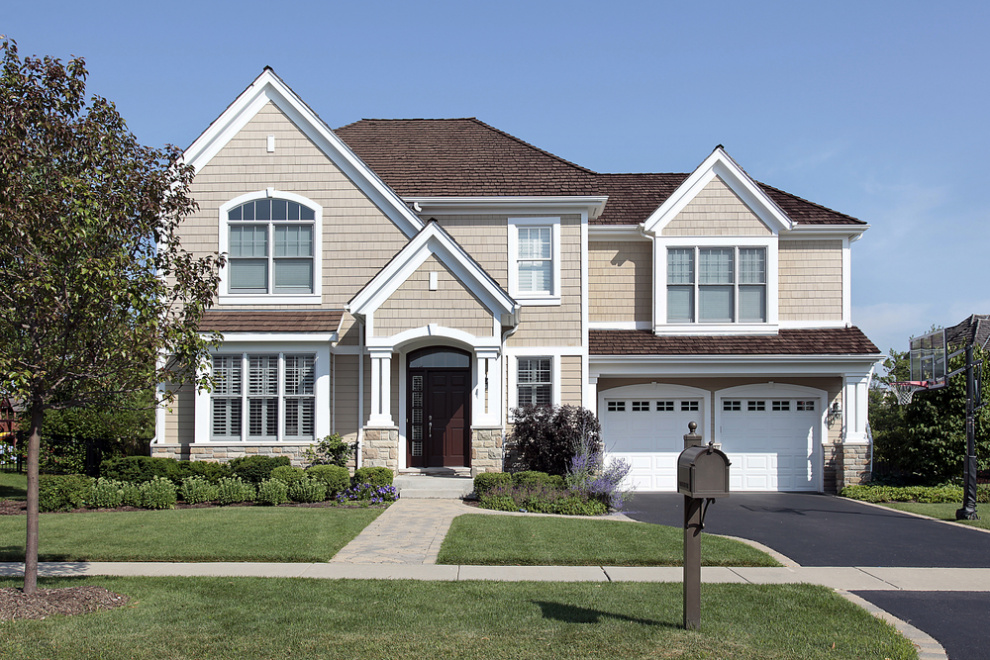
15-year rate climbs to 5.64% as purchase applications jump 20% above year-ago levels.
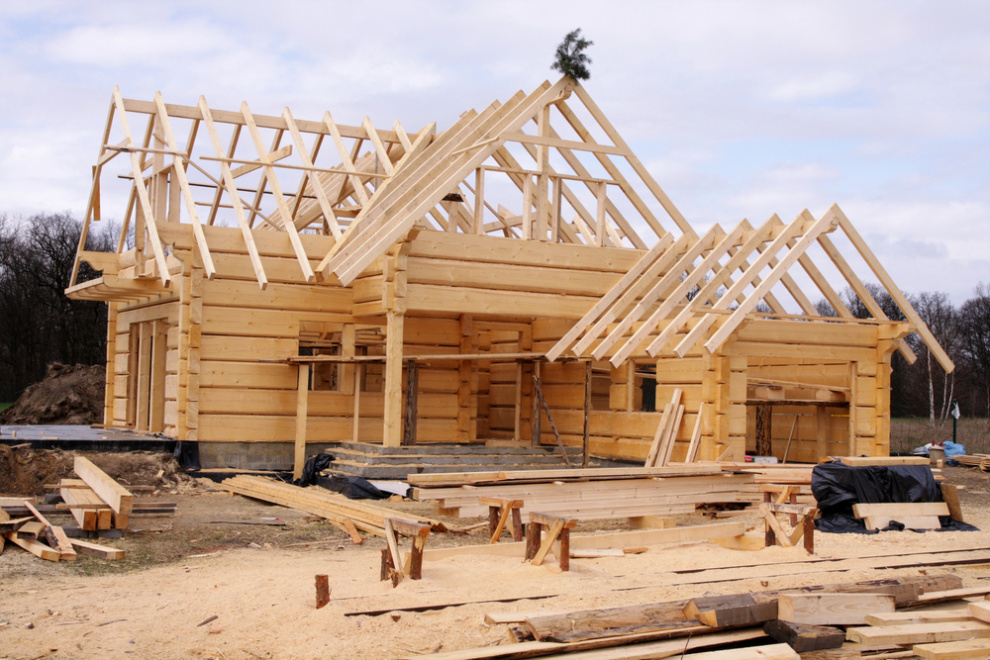
Wooden housing starts decrease 26.9% while monthly figures rise from February levels.
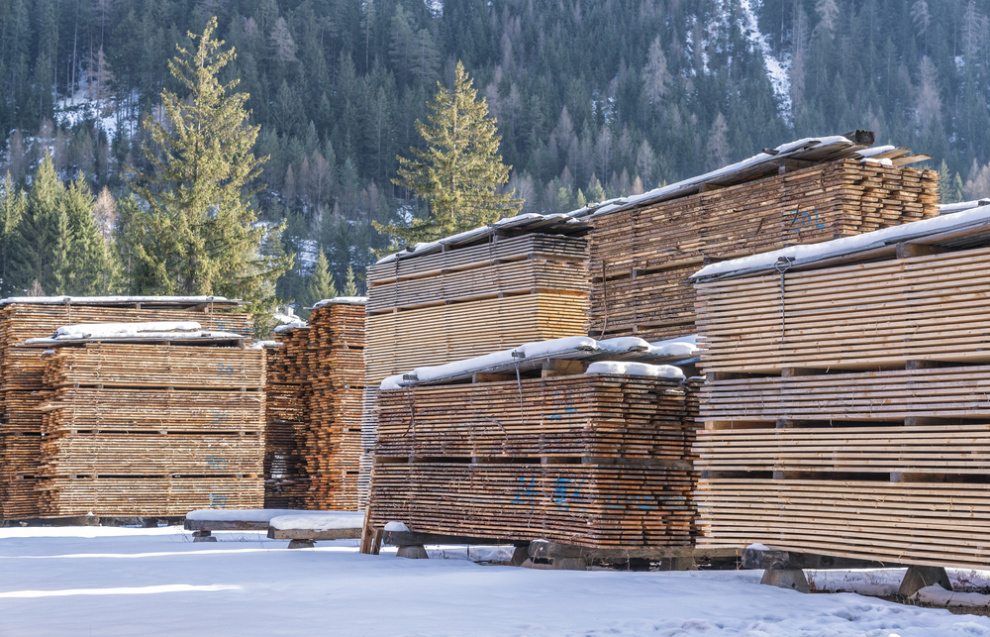
Mortgage rates above 6% and tariff uncertainty shape 2026 operating plans and input-cost expectations.

The plan targets mill operations, regulatory changes, and new markets for Ontario wood products.
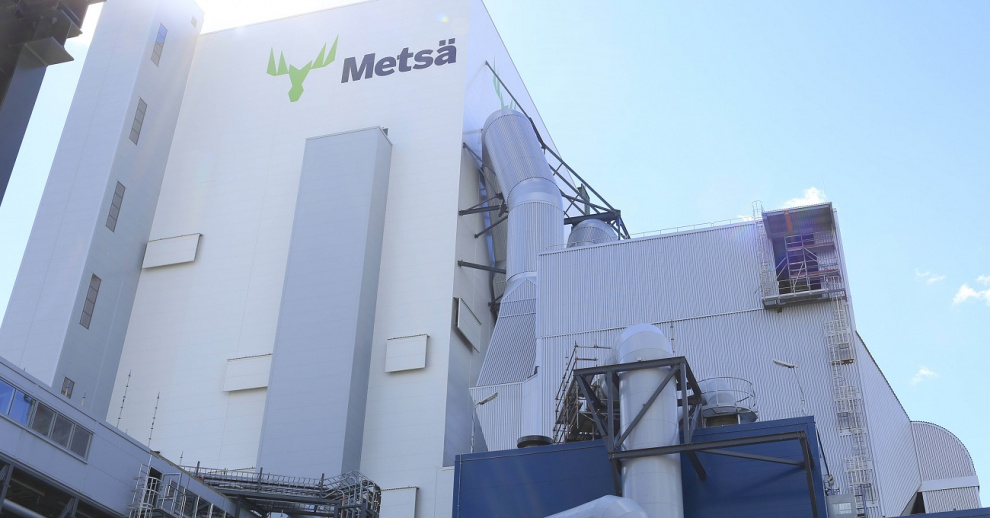
Cost savings programme offsets lower prices as group begins market-driven shutdown at Joutseno pulp mill.
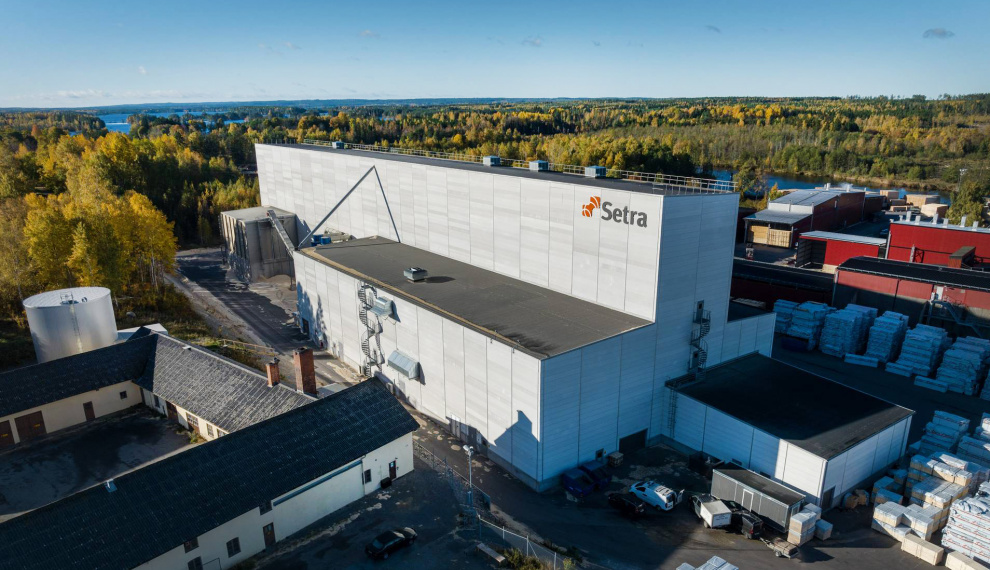
High industry inventories and cold weather limit production, while the company enters Phase 2 of its internal efficiency work.
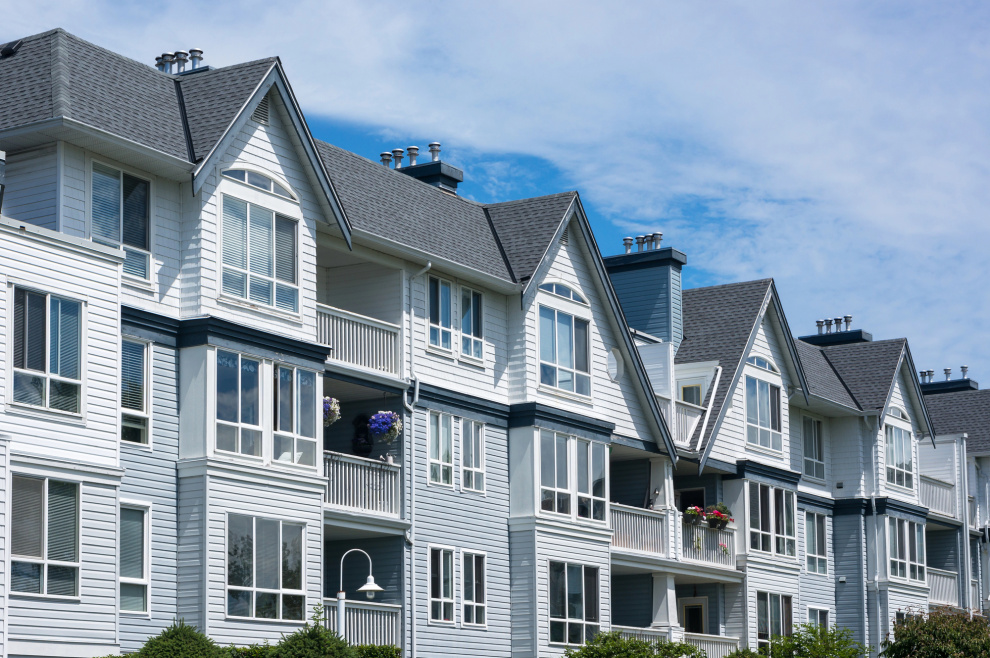
More than half of tracked metros post annual price declines, with Denver the weakest.
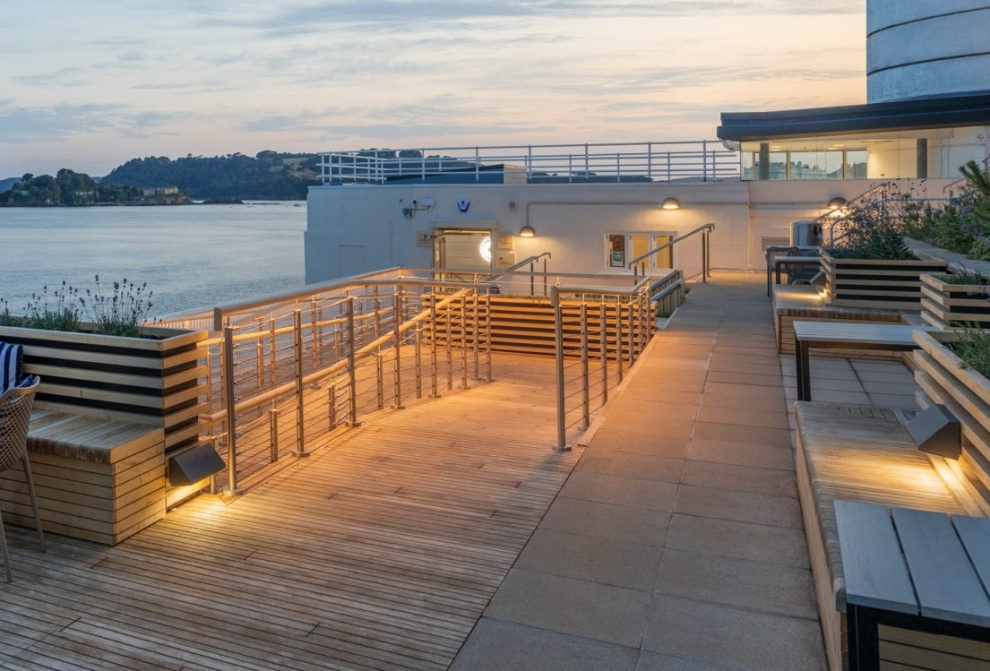
North America sales surge 60% following opening of dedicated manufacturing facility in 2024.
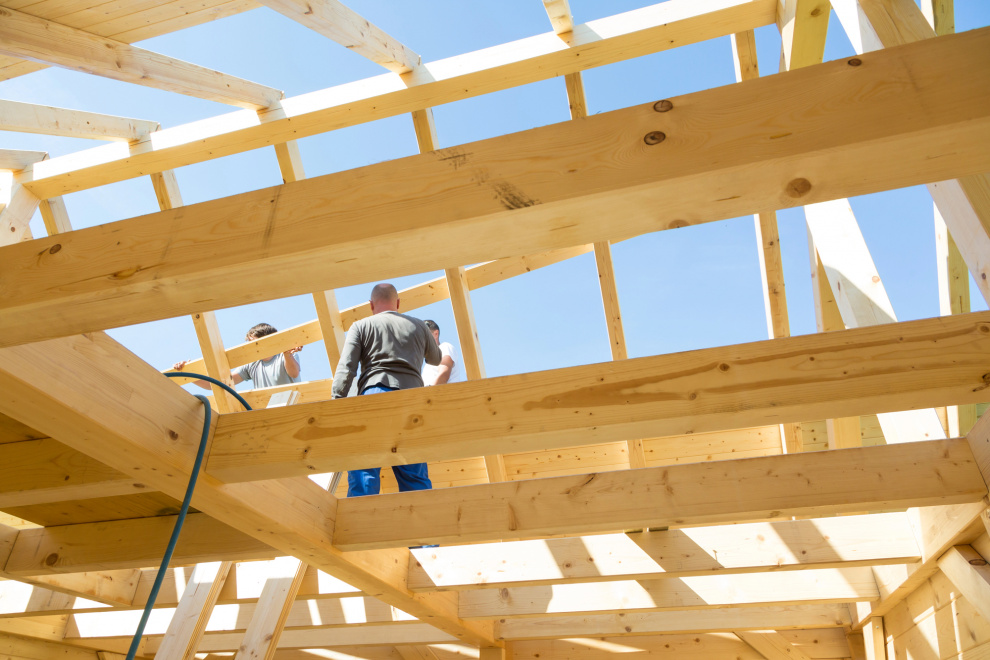
The builder cited affordability concerns and competitive conditions, and said it adjusted incentives, sales pace and production while working down spec inventory.
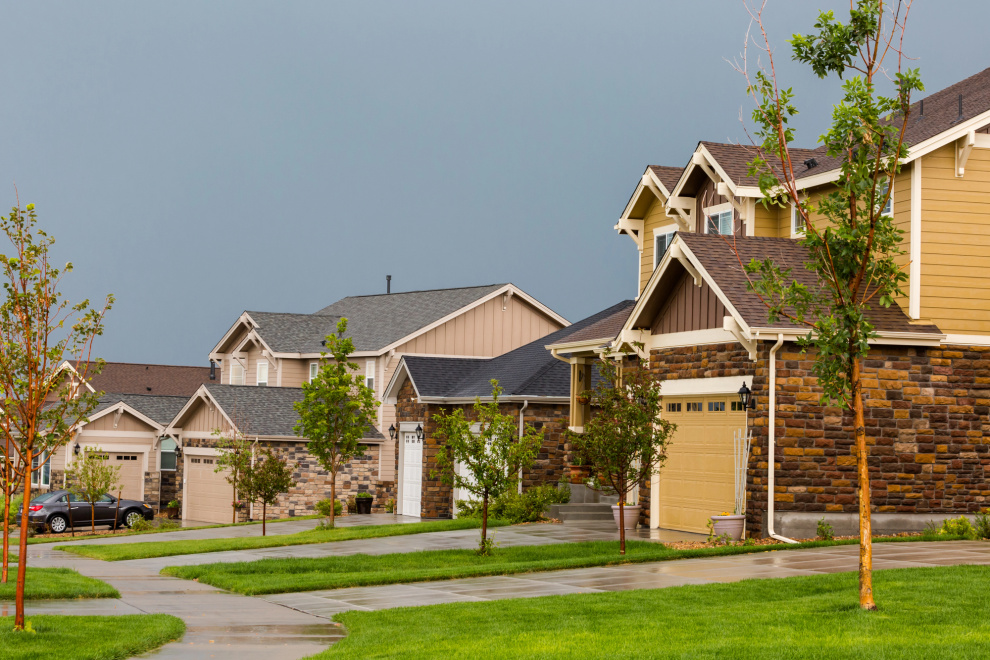
The weekly survey also shows the 15-year fixed rate averages 5.58%.
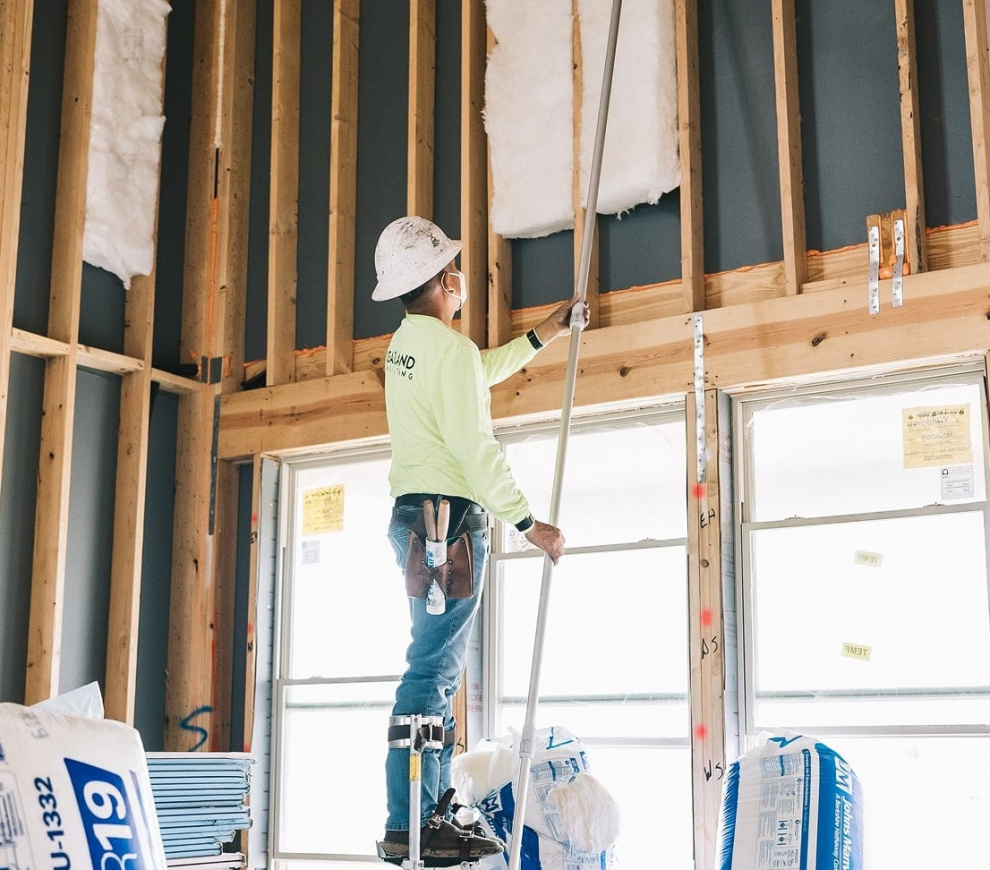
Combined company exceeds $18 billion in revenue as insulation leader joins roofing and lumber portfolio.
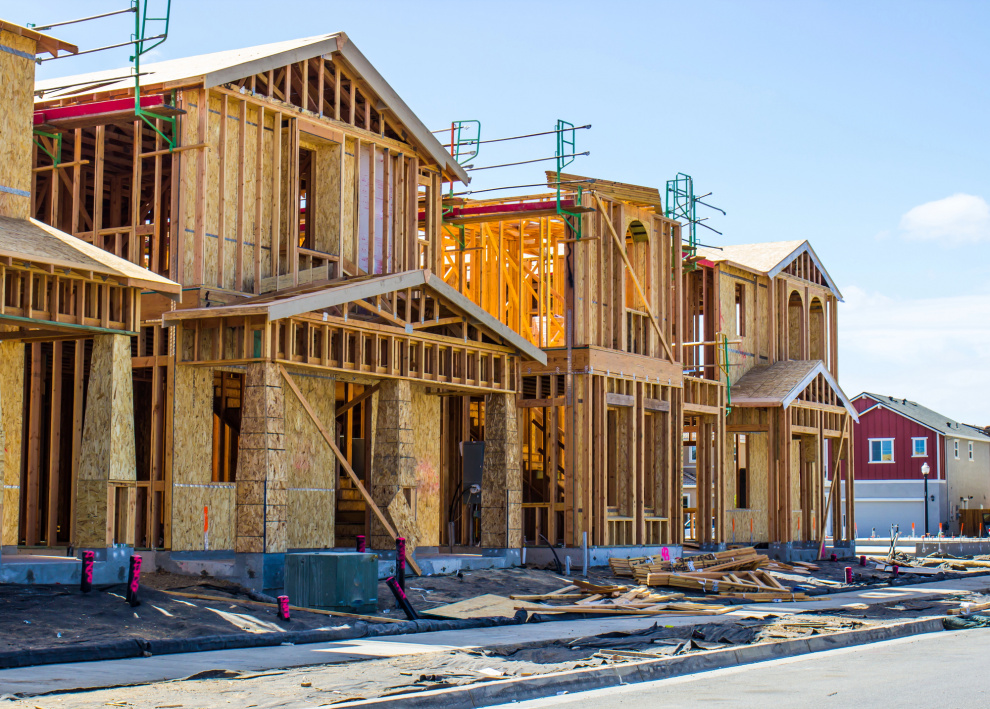
Affordability limits and cautious buyers keep incentives elevated as orders rise and the builder reduces unsold completed inventory.
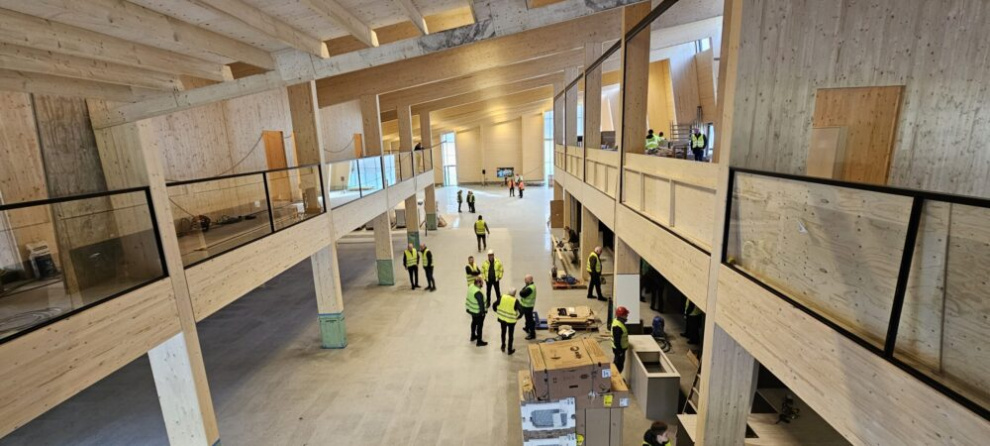
Roust Element absorbs 93 employees and roof module operations to strengthen prefabricated wood market position.
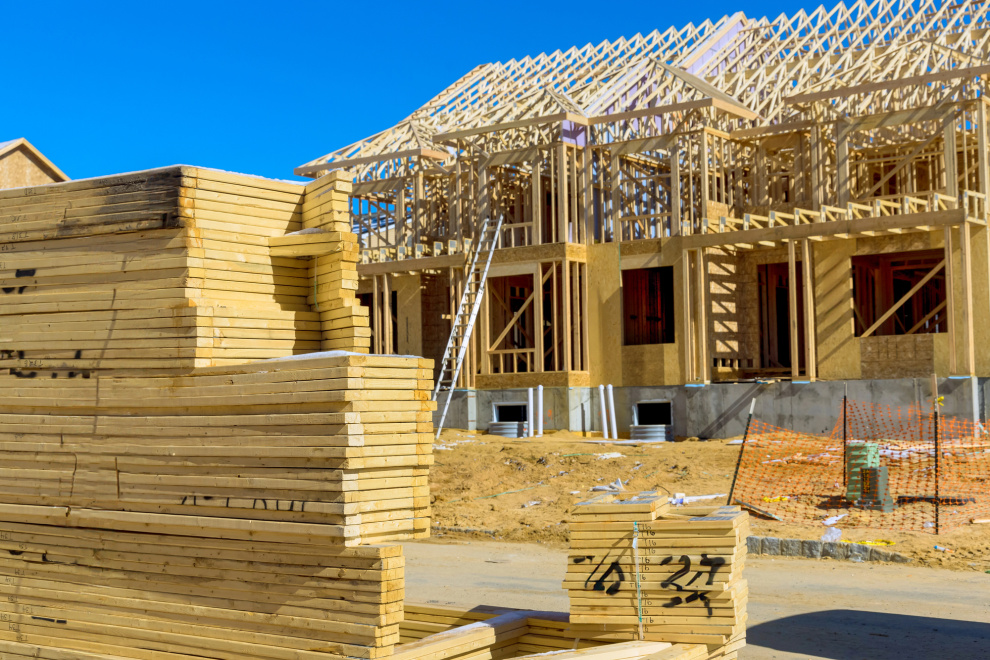
New estimates show lumber demand is more sensitive to housing starts than to GDP per capita or prices, and the revised setup produces lower long-run demand.
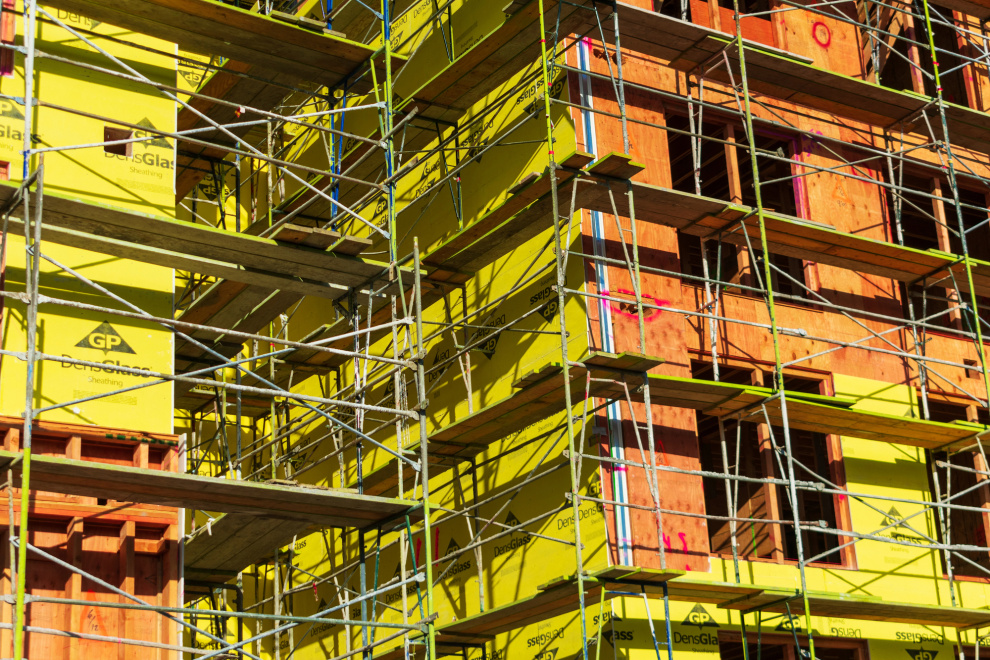
New construction increases 2.6-fold from February but remains 17% lower year-on-year.
The 15-year fixed rate also moved lower, and both benchmark rates stayed below their year-earlier levels.
Former Metsä Wood executive takes helm as outgoing CEO Marko Saarelainen moves to lead Japanese subsidiary.
Sales run at a 3.98 million annual pace as inventory rises and the 2026 forecast is lowered.